---
title: "Best CMS for Modern Businesses: Magnolia, HubSpot, or WordPress"
description: "Explore the best CMS options for modern businesses: WordPress, HubSpot, and Magnolia. Discover which platform aligns with your growth goals and needs."
image: https://www.findernest.com/hubfs/Best%20CMS%20for%20Modern%20Businesses-%20Magnolia%2c%20HubSpot%2c%20or%20WordPress%20by%20FindErnest.png
---
[Skip to main content](https://www.findernest.com/en/blog/best-cms-for-modern-businesses-magnolia-hubspot-or-wordpress#main-content)
[ ](https://www.findernest.com)
- [Show submenu for Solutions Solutions](https://www.findernest.com/services)
- [Show submenu for Digital Transformation Digital Transformation](https://www.findernest.com/digital-transformation-solutions)
- [AI & Intelligent Automation](https://www.findernest.com/ai)
- [Cloud Transformation](https://www.findernest.com/cloud)
- [Data & Analytics](https://www.findernest.com/data)
- [Enterprise Digital Transformation](https://www.findernest.com/software-engineering)
- [Customer Experience Transformation](https://www.findernest.com/ui-ux)
- [Cybersecurity & Identity Solutions](https://www.findernest.com/cybersecurity)
- [Show submenu for Product/Platform Engineering Product/Platform Engineering](https://www.findernest.com/product-development-platform-engineering-services)
- [Platform Engineering](https://www.findernest.com/software-engineering)
- [Product Development](https://www.findernest.com/software-engineering)
- [Cloud-Native Applications](https://www.findernest.com/cloud)
- [DevOps & DevSecOps](https://www.findernest.com/devops)
- [ERP & Enterprise Applications](https://www.findernest.com/product-development-platform-engineering-services)
- [Observability & Reliability](https://www.findernest.com/observability-reliability-services)
- [Show submenu for Managed IT Solutions Managed IT Solutions](https://www.findernest.com/managed-it-services-support)
- [IT Support](https://www.findernest.com/managed-it-services-support)
- [Cybersecurity](https://www.findernest.com/cybersecurity)
- [Cloud Infrastructure](https://www.findernest.com/cloud)
- [Disaster Recovery](https://www.findernest.com/devops)
- [Network & Server Management](https://www.findernest.com/managed-it-services-support)
- [Show submenu for Talent Solutions Talent Solutions](https://www.findernest.com/talent-solutions)
- [Contingent Workforce](https://www.findernest.com/talent-solutions)
- [Dedicated Team](https://www.findernest.com/talent-solutions)
- [Staffing Services](https://www.findernest.com/talent-solutions)
- [Recruitment Process Outsourcing](https://www.findernest.com/talent-solutions)
- [Show submenu for Platforms Platforms](https://www.findernest.com/platforms)
- [AWS](https://www.findernest.com/aws)
- [SAP](https://www.findernest.com/sap)
- [Oracle](https://www.findernest.com/oracle)
- [Microsoft](https://www.findernest.com/microsoft)
- Google Cloud
- [Zoho](https://www.findernest.com/zoho)
- [Databricks](https://www.findernest.com/databricks)
- [Servicenow](https://www.findernest.com/servicenow)
- [Outsystems](https://www.findernest.com/outsystems)
- [Hubspot](https://www.findernest.com/hubspot)
- [Salesforce](https://www.findernest.com/salesforce)
- [Show submenu for Industries Industries](https://www.findernest.com/industry)
- [Show submenu for Technology & Internet Technology & Internet](https://www.findernest.com/industry)
- [Ecommerce](https://www.findernest.com/industry)
- [HealthTech](https://www.findernest.com/industry)
- [FinTech](https://www.findernest.com/industry)
- [Edutech](https://www.findernest.com/industry)
- [High Tech](https://www.findernest.com/industry)
- [Show submenu for Healthcare & Life Sciences Healthcare & Life Sciences](https://www.findernest.com/industry)
- [Healthcare](https://www.findernest.com/industry)
- [Life Sciences](https://www.findernest.com/industry)
- [Pharmaceuticals](https://www.findernest.com/industry)
- [Medical Devices](https://www.findernest.com/industry)
- [Biotechnology](https://www.findernest.com/industry)
- [Show submenu for BFSI BFSI](https://www.findernest.com/industry)
- [Banking](https://www.findernest.com/industry)
- [Insurance](https://www.findernest.com/industry)
- [Financial Services](https://www.findernest.com/industry)
- [Show submenu for TME TME](https://www.findernest.com/industry)
- [Telecom](https://www.findernest.com/industry)
- [Gaming](https://www.findernest.com/industry)
- [Entertainment](https://www.findernest.com/industry)
- [OTT (Over-The-Top)](https://www.findernest.com/industry)
- [Media](https://www.findernest.com/industry)
- [Show submenu for Engineering & Construction Engineering & Construction](https://www.findernest.com/industry)
- [Engineering](https://www.findernest.com/industry)
- [Transportation](https://www.findernest.com/industry)
- [Infrastructure](https://www.findernest.com/industry)
- [Commercial/ Residential](https://www.findernest.com/industry)
- [Show submenu for Supply Chain Supply Chain](https://www.findernest.com/industry)
- [Manufacturing](https://www.findernest.com/industry)
- [FMCG](https://www.findernest.com/industry)
- [Automotive](https://www.findernest.com/industry)
- [Show submenu for Energy & Utilities Energy & Utilities](https://www.findernest.com/industry)
- [Oil & Gas](https://www.findernest.com/industry)
- [Environment](https://www.findernest.com/industry)
- [Energy](https://www.findernest.com/industry)
- [Utilities](https://www.findernest.com/industry)
- [Govt & Public Sector](https://www.findernest.com/industry)
- [Careers](https://findernest.zohorecruit.in/jobs/Careers)
- [Show submenu for About Us About Us](https://www.findernest.com/about)
- [Who we Are](https://www.findernest.com/about)
- [How We Work](https://www.findernest.com/how-we-work)
- [Blogs & Insights](https://www.findernest.com/en/blog)
- [Sustainability](https://www.findernest.com/sustainability)
- [Privacy Policy](https://www.findernest.com/privacy)
- [Community Guidelines](https://www.findernest.com/policy)
- [Terms & Conditions](https://www.findernest.com/terms)
Open main navigation
Close main navigation
- Show submenu for Solutions Solutions
- Solutions
- [Solutions](https://www.findernest.com/services)
- Show submenu for Digital Transformation Digital Transformation
- Digital Transformation
- [Digital Transformation](https://www.findernest.com/digital-transformation-solutions)
- [AI & Intelligent Automation](https://www.findernest.com/ai)
- [Cloud Transformation](https://www.findernest.com/cloud)
- [Data & Analytics](https://www.findernest.com/data)
- [Enterprise Digital Transformation](https://www.findernest.com/software-engineering)
- [Customer Experience Transformation](https://www.findernest.com/ui-ux)
- [Cybersecurity & Identity Solutions](https://www.findernest.com/cybersecurity)
- Show submenu for Product/Platform Engineering Product/Platform Engineering
- Product/Platform Engineering
- [Product/Platform Engineering](https://www.findernest.com/product-development-platform-engineering-services)
- [Platform Engineering](https://www.findernest.com/software-engineering)
- [Product Development](https://www.findernest.com/software-engineering)
- [Cloud-Native Applications](https://www.findernest.com/cloud)
- [DevOps & DevSecOps](https://www.findernest.com/devops)
- [ERP & Enterprise Applications](https://www.findernest.com/product-development-platform-engineering-services)
- [Observability & Reliability](https://www.findernest.com/observability-reliability-services)
- Show submenu for Managed IT Solutions Managed IT Solutions
- Managed IT Solutions
- [Managed IT Solutions](https://www.findernest.com/managed-it-services-support)
- [IT Support](https://www.findernest.com/managed-it-services-support)
- [Cybersecurity](https://www.findernest.com/cybersecurity)
- [Cloud Infrastructure](https://www.findernest.com/cloud)
- [Disaster Recovery](https://www.findernest.com/devops)
- [Network & Server Management](https://www.findernest.com/managed-it-services-support)
- Show submenu for Talent Solutions Talent Solutions
- Talent Solutions
- [Talent Solutions](https://www.findernest.com/talent-solutions)
- [Contingent Workforce](https://www.findernest.com/talent-solutions)
- [Dedicated Team](https://www.findernest.com/talent-solutions)
- [Staffing Services](https://www.findernest.com/talent-solutions)
- [Recruitment Process Outsourcing](https://www.findernest.com/talent-solutions)
- Show submenu for Platforms Platforms
- Platforms
- [Platforms](https://www.findernest.com/platforms)
- [AWS](https://www.findernest.com/aws)
- [SAP](https://www.findernest.com/sap)
- [Oracle](https://www.findernest.com/oracle)
- [Microsoft](https://www.findernest.com/microsoft)
- Google Cloud
- [Zoho](https://www.findernest.com/zoho)
- [Databricks](https://www.findernest.com/databricks)
- [Servicenow](https://www.findernest.com/servicenow)
- [Outsystems](https://www.findernest.com/outsystems)
- [Hubspot](https://www.findernest.com/hubspot)
- [Salesforce](https://www.findernest.com/salesforce)
- Show submenu for Industries Industries
- Industries
- [Industries](https://www.findernest.com/industry)
- Show submenu for Technology & Internet Technology & Internet
- Technology & Internet
- [Technology & Internet](https://www.findernest.com/industry)
- [Ecommerce](https://www.findernest.com/industry)
- [HealthTech](https://www.findernest.com/industry)
- [FinTech](https://www.findernest.com/industry)
- [Edutech](https://www.findernest.com/industry)
- [High Tech](https://www.findernest.com/industry)
- Show submenu for Healthcare & Life Sciences Healthcare & Life Sciences
- Healthcare & Life Sciences
- [Healthcare & Life Sciences](https://www.findernest.com/industry)
- [Healthcare](https://www.findernest.com/industry)
- [Life Sciences](https://www.findernest.com/industry)
- [Pharmaceuticals](https://www.findernest.com/industry)
- [Medical Devices](https://www.findernest.com/industry)
- [Biotechnology](https://www.findernest.com/industry)
- Show submenu for BFSI BFSI
- BFSI
- [BFSI](https://www.findernest.com/industry)
- [Banking](https://www.findernest.com/industry)
- [Insurance](https://www.findernest.com/industry)
- [Financial Services](https://www.findernest.com/industry)
- Show submenu for TME TME
- TME
- [TME](https://www.findernest.com/industry)
- [Telecom](https://www.findernest.com/industry)
- [Gaming](https://www.findernest.com/industry)
- [Entertainment](https://www.findernest.com/industry)
- [OTT (Over-The-Top)](https://www.findernest.com/industry)
- [Media](https://www.findernest.com/industry)
- Show submenu for Engineering & Construction Engineering & Construction
- Engineering & Construction
- [Engineering & Construction](https://www.findernest.com/industry)
- [Engineering](https://www.findernest.com/industry)
- [Transportation](https://www.findernest.com/industry)
- [Infrastructure](https://www.findernest.com/industry)
- [Commercial/ Residential](https://www.findernest.com/industry)
- Show submenu for Supply Chain Supply Chain
- Supply Chain
- [Supply Chain](https://www.findernest.com/industry)
- [Manufacturing](https://www.findernest.com/industry)
- [FMCG](https://www.findernest.com/industry)
- [Automotive](https://www.findernest.com/industry)
- Show submenu for Energy & Utilities Energy & Utilities
- Energy & Utilities
- [Energy & Utilities](https://www.findernest.com/industry)
- [Oil & Gas](https://www.findernest.com/industry)
- [Environment](https://www.findernest.com/industry)
- [Energy](https://www.findernest.com/industry)
- [Utilities](https://www.findernest.com/industry)
- [Govt & Public Sector](https://www.findernest.com/industry)
- [Careers](https://findernest.zohorecruit.in/jobs/Careers)
- Show submenu for About Us About Us
- About Us
- [About Us](https://www.findernest.com/about)
- [Who we Are](https://www.findernest.com/about)
- [How We Work](https://www.findernest.com/how-we-work)
- [Blogs & Insights](https://www.findernest.com/en/blog)
- [Sustainability](https://www.findernest.com/sustainability)
- [Privacy Policy](https://www.findernest.com/privacy)
- [Community Guidelines](https://www.findernest.com/policy)
- [Terms & Conditions](https://www.findernest.com/terms)
- Search
- [Contact](https://www.findernest.com/contact)
[Contact](https://www.findernest.com/contact)
Search
# Best CMS for Modern Businesses: Magnolia, HubSpot, or WordPress

by [Praveen Gundala](https://www.findernest.com/en/blog/author/praveen-gundala)
24 May, 2026 4:03:28 PM IST
In today’s digital-first economy, choosing the right Content Management System (CMS) is no longer just about publishing content—it is about scalability, personalization, automation, customer experience, and long-term business growth.
Three major CMS platforms dominate different segments of the market:
- [Magnolia CMS](https://www.magnolia-cms.com/?utm_source=chatgpt.com) — Enterprise-grade composable DXP
- [HubSpot CMS](https://www.hubspot.com/products/cms?utm_source=chatgpt.com) — Marketing-focused growth platform
- [WordPress](https://wordpress.org/?utm_source=chatgpt.com) — Flexible open-source CMS leader
Each platform serves different business needs, budgets, and growth stages.
At the same time, digital transformation agencies like [Findernest](https://findernest.com/?utm_source=chatgpt.com) are helping businesses implement the right CMS strategy, improve SEO performance, automate customer journeys, and scale revenue through modern digital ecosystems.
---
## Why CMS Selection Matters More Than Ever
By 2030, over 70% of customer interactions are expected to happen digitally, making websites and digital experiences the primary business touchpoint.
Modern businesses now require the following:
- AI-ready architecture
- Omnichannel content delivery
- CRM integration
- Personalized customer journeys
- Marketing automation
- SEO scalability
- High-performance web infrastructure
This shift is driving massive CMS market growth worldwide.
### CMS Market Projections
According to global market estimates:
| Year | Global CMS Market Size |
| --- | --- |
| 2024 | $28 Billion |
| 2026 | $38 Billion |
| 2030 | $65+ Billion |
Key drivers include:
- AI-powered marketing
- Headless commerce
- Enterprise personalization
- B2B digital transformation
- SaaS expansion
- Mobile-first user behavior
---
## WordPress CMS
### The World’s Most Popular CMS
[WordPress](https://wordpress.org/?utm_source=chatgpt.com) powers more than 43% of all websites globally, making it the dominant CMS ecosystem.
###### Advantages
- Open-source flexibility
- Massive plugin ecosystem
- Lower development cost
- Strong blogging capabilities
- Excellent SEO support
- Large developer community
###### Best For
- Startups
- Small businesses
- Content publishers
- SMEs
- Portfolio and marketing websites
###### Challenges
As businesses scale, WordPress can become difficult to manage due to:
- Plugin dependency
- Security vulnerabilities
- Performance bottlenecks
- Frequent maintenance
- Limited enterprise governance
Large organizations often struggle with maintaining complex WordPress infrastructures across multiple teams and regions.
---
## HubSpot CMS
### The Growth & Marketing Automation Leader
[HubSpot CMS](https://www.hubspot.com/products/cms?utm_source=chatgpt.com) combines website management with CRM, automation, analytics, and customer lifecycle tools.
It is designed specifically for businesses focused on inbound marketing and revenue growth.
###### Advantages
- Native CRM integration
- Built-in marketing automation
- SEO recommendations
- AI-powered content tools
- Advanced analytics
- Secure managed hosting
- Faster go-to-market execution
###### Best For
- B2B companies
- SaaS startups
- Service businesses
- Lead generation companies
- Scaling enterprises
###### Challenges
- Higher platform costs
- Less backend flexibility than open-source systems
- Requires strategic implementation expertise
However, businesses using HubSpot often reduce operational complexity significantly because multiple systems are unified into one ecosystem.
---
## Magnolia CMS
### Enterprise-Grade Composable DXP
[Magnolia CMS](https://www.magnolia-cms.com/?utm_source=chatgpt.com) is a modern enterprise Digital Experience Platform (DXP) built for large-scale organizations needing composable architecture and omnichannel experiences.
Unlike traditional CMS platforms, Magnolia focuses heavily on:
- Headless architecture
- Enterprise integrations
- Multi-site management
- Personalized digital experiences
- API-first infrastructure
###### Advantages
- Enterprise scalability
- Composable architecture
- Omnichannel publishing
- Advanced personalization
- Strong governance capabilities
- Flexible integration ecosystem
###### Best For
- Large enterprises
- Banks and financial services
- Telecom companies
- Healthcare organizations
- Global brands
###### Challenges
- Higher implementation costs
- Longer deployment cycles
- Requires experienced development teams
- Overkill for small businesses
Magnolia is ideal for enterprises building sophisticated digital ecosystems across multiple regions and platforms.
---
## CMS Comparison Table
| Feature | WordPress | HubSpot CMS | Magnolia CMS |
| --- | --- | --- | --- |
| Ease of Use | High | High | Medium |
| Initial Cost | Low | Medium | High |
| Scalability | Medium | High | Enterprise-grade |
| SEO Features | Plugin-based | Native | Advanced |
| CRM Integration | Third-party | Native | Custom/API |
| AI & Automation | Plugin-based | Strong Native AI | Enterprise AI Integrations |
| Security | Variable | Managed Security | Enterprise-grade |
| Omnichannel Support | Limited | Moderate | Excellent |
| Best For | SMEs & blogs | Growth-focused businesses | Enterprises |
| Maintenance | High | Low | Medium–High |
---
### The Future of CMS Platforms
The CMS industry is shifting toward:
- Headless CMS architecture
- AI-powered personalization
- Automation-first marketing
- API-driven ecosystems
- Composable digital experiences
### Industry Projections (2026–2030)
| Trend | Projected Growth |
| --- | --- |
| Headless CMS Adoption | 22% CAGR |
| AI-Driven Content Systems | 30% CAGR |
| Marketing Automation Platforms | 18% CAGR |
| Omnichannel Commerce | 25% CAGR |
| Enterprise DXP Platforms | 20% CAGR |
Businesses investing early in scalable CMS infrastructure are expected to outperform competitors significantly in digital customer acquisition and retention.
---
## How Findernest Helps Businesses Scale Digitally
[Findernest](https://findernest.com/?utm_source=chatgpt.com) helps businesses choose, implement, and optimize the right CMS ecosystem based on growth goals, technical requirements, and future scalability.
Rather than simply building websites, Findernest focuses on building digital growth systems.
---
### Findernest’s CMS & Growth Solutions
##### 1. CMS Strategy & Platform Selection
Findernest helps businesses identify whether they need:
- WordPress for flexibility and cost efficiency
- HubSpot for automation and lead generation
- Magnolia for enterprise-scale digital transformation
This reduces costly migration mistakes later.
---
##### 2. SEO-Driven Website Architecture
Findernest builds websites optimized for:
- Technical SEO
- AI search visibility
- Faster page speed
- Structured content
- Higher conversion rates
###### Expected SEO Growth Impact
Businesses implementing modern SEO architecture often see:
| Metric | Average Improvement |
| --- | --- |
| Organic Traffic | +40% to +120% |
| Lead Conversion Rates | +20% to +45% |
| Website Speed Performance | +35% |
| Bounce Rate Reduction | -15% to -30% |
---
##### 3. CRM & Marketing Automation
Findernest integrates:
- CRM systems
- Sales pipelines
- Email automation
- Customer segmentation
- Analytics dashboards
This helps businesses move from static websites to revenue-generating digital ecosystems.
---
##### 4. AI-Ready Digital Infrastructure
As AI search engines and automation tools evolve, businesses need structured, machine-readable content systems.
Findernest prepares organizations for:
- AI-powered search
- Predictive customer engagement
- Content automation
- Personalized user experiences
- Omnichannel publishing
---
### Business Growth Projections with Modern CMS Adoption
Companies modernizing their CMS and digital infrastructure are projected to experience:
| Business Outcome | Estimated Growth |
| --- | --- |
| Digital Lead Generation | +60% to +200% |
| Marketing Efficiency | +35% |
| Customer Retention | +25% |
| Website Engagement | +50% |
| Operational Efficiency | +30% |
By 2030, businesses with integrated digital ecosystems are expected to dominate customer acquisition across nearly every industry.
---
### Final Thoughts
Choosing between WordPress, HubSpot CMS, and Magnolia CMS depends on your business stage and growth ambitions.
- WordPress is ideal for affordability and flexibility.
- HubSpot CMS excels in marketing automation and lead generation.
- Magnolia CMS delivers enterprise-level scalability and composable experiences.
The real competitive advantage, however, comes from implementation strategy.
That is where [Findernest](https://findernest.com/?utm_source=chatgpt.com) helps businesses transform from basic websites into scalable digital growth engines built for the AI-driven future.
**Tags:**
[Intelligent Automation,](https://www.findernest.com/en/blog/tag/intelligent-automation) [Managed Services,](https://www.findernest.com/en/blog/tag/managed-services) [Solution Architecture,](https://www.findernest.com/en/blog/tag/solution-architecture) [Implementation,](https://www.findernest.com/en/blog/tag/implementation) [Technology,](https://www.findernest.com/en/blog/tag/technology) [Business Intelligence,](https://www.findernest.com/en/blog/tag/business-intelligence) [Engineering as a Service,](https://www.findernest.com/en/blog/tag/engineering-as-a-service) [Operations,](https://www.findernest.com/en/blog/tag/operations) [Business Consulting,](https://www.findernest.com/en/blog/tag/business-consulting) [Framework,](https://www.findernest.com/en/blog/tag/framework) [Application Development,](https://www.findernest.com/en/blog/tag/application-development) [Governance,](https://www.findernest.com/en/blog/tag/governance) [CRM,](https://www.findernest.com/en/blog/tag/crm) [CMS,](https://www.findernest.com/en/blog/tag/cms) [HubSpot,](https://www.findernest.com/en/blog/tag/hubspot) [SaaS,](https://www.findernest.com/en/blog/tag/saas) [Digital Transformation,](https://www.findernest.com/en/blog/tag/digital-transformation) [Platform Engineering,](https://www.findernest.com/en/blog/tag/platform-engineering) [SEO](https://www.findernest.com/en/blog/tag/seo)

Post by [Praveen Gundala](https://www.findernest.com/en/blog/author/praveen-gundala)
Praveen Gundala, Founder and Chief Executive Officer of FindErnest, provides value-added information technology and innovative digital solutions that enhance client business performance, accelerate time-to-market, increase productivity, and improve customer service. FindErnest offers end-to-end solutions tailored to clients' specific needs. Our persuasive tone emphasizes our dedication to producing outstanding outcomes and our capacity to use talent and technology to propel business success. I have a strong interest in using cutting-edge technology and creative solutions to fulfill the constantly changing needs of businesses. In order to keep up with the latest developments, I am always looking for ways to improve my knowledge and abilities. Fast-paced work environments are my favorite because they allow me to use my drive and entrepreneurial spirit to produce amazing results. My outstanding leadership and communication abilities enable me to inspire and encourage my team and create a successful culture.
[Follow me on my website](https://www.findernest.com) [Follow me on Facebook](https://www.facebook.com/teamfindernest) [Follow me on LinkedIn](https://www.linkedin.com/company/findernest) [Follow me on Twitter](https://x.com/findernestteam)
### Related Articles
##### [ Intelligent Automation • 3 July, 2026 2:56:26 AM IST FindErnest Vision 2030: Leading AI-First Transformation and Innovation 4 min read](https://www.findernest.com/en/blog/findernest-vision-2030-leading-ai-first-transformation-and-innovation)
##### [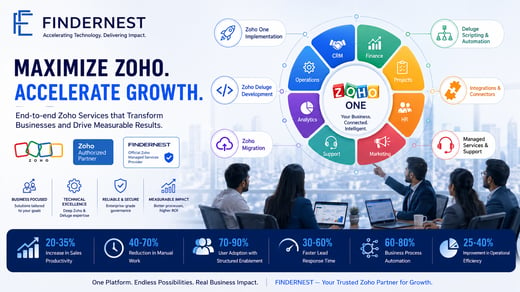 Intelligent Automation • 1 July, 2026 11:04:12 PM IST Zoho Implementation, Deluge & Managed Services | FindErnest 3 min read](https://www.findernest.com/en/blog/zoho-implementation-deluge-managed-services-findernest)
##### [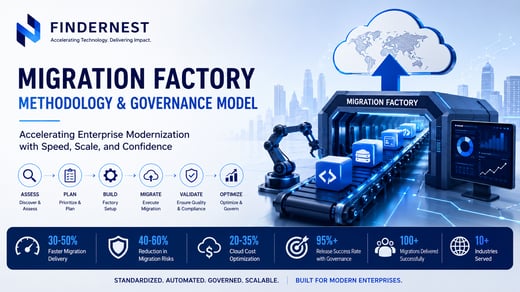 Intelligent Automation • 1 July, 2026 7:57:31 PM IST Enterprise Migration Factory: Governance, Automation & Best Practices 4 min read](https://www.findernest.com/en/blog/enterprise-migration-factory-governance-automation-best-practices)
## Comments
###### Categories
- [Technology](https://www.findernest.com/en/blog/tag/technology)
- [Business Intelligence](https://www.findernest.com/en/blog/tag/business-intelligence)
- [Operations](https://www.findernest.com/en/blog/tag/operations)
- [Business Consulting](https://www.findernest.com/en/blog/tag/business-consulting)
- [Managed Services](https://www.findernest.com/en/blog/tag/managed-services)
- [Innovation](https://www.findernest.com/en/blog/tag/innovation)
- [Intelligent Automation](https://www.findernest.com/en/blog/tag/intelligent-automation)
- [Solution Architecture](https://www.findernest.com/en/blog/tag/solution-architecture)
- [Software Development](https://www.findernest.com/en/blog/tag/software-development)
- [AI (Artificial Intelligence)](https://www.findernest.com/en/blog/tag/ai-artificial-intelligence)
- [Implementation](https://www.findernest.com/en/blog/tag/implementation)
- [Engineering as a Service](https://www.findernest.com/en/blog/tag/engineering-as-a-service)
- [Governance](https://www.findernest.com/en/blog/tag/governance)
- [Application Development](https://www.findernest.com/en/blog/tag/application-development)
- [Configuration](https://www.findernest.com/en/blog/tag/configuration)
- [DevOps](https://www.findernest.com/en/blog/tag/devops)
- [Generative AI](https://www.findernest.com/en/blog/tag/generative-ai)
- [Outsourcing](https://www.findernest.com/en/blog/tag/outsourcing)
- [Framework](https://www.findernest.com/en/blog/tag/framework)
- [Digital Transformation](https://www.findernest.com/en/blog/tag/digital-transformation)
###### Recent Posts
- [FindErnest Vision 2030: Leading AI-First Transformation and Innovation](https://www.findernest.com/en/blog/findernest-vision-2030-leading-ai-first-transformation-and-innovation)
- [Microsoft Security Services: XDR, Sentinel & Zero Trust by FindErnest](https://www.findernest.com/en/blog/microsoft-security-services-xdr-sentinel-zero-trust-by-findernest)
- [Zoho Implementation, Deluge & Managed Services | FindErnest](https://www.findernest.com/en/blog/zoho-implementation-deluge-managed-services-findernest)
- [Enterprise Migration Factory: Governance, Automation & Best Practices](https://www.findernest.com/en/blog/enterprise-migration-factory-governance-automation-best-practices)
- [GCC Readiness Assessment | Global Capability Center | FindErnest](https://www.findernest.com/en/blog/gcc-readiness-assessment-global-capability-center-findernest)
- [n8n Workflow Automation Services | AI Business Automation | FindErnest](https://www.findernest.com/en/blog/n8n-workflow-automation-enterprise-ai-findernest)
- [AI-Forward Development: Transforming Enterprises for the Future](https://www.findernest.com/en/blog/ai-forward-development-transforming-enterprises-for-the-future)
- [AI-Powered Social Research: Transforming Conversations into Growth](https://www.findernest.com/en/blog/ai-powered-social-research-transforming-conversations-into-growth)
- [Context Engineering: The Next Frontier in Enterprise AI Transformation](https://www.findernest.com/en/blog/context-engineering-the-next-frontier-in-enterprise-ai-transformation)
- [Cybersecurity & Identity Solutions: Building Secure Digital Enterprise](https://www.findernest.com/en/blog/cybersecurity-identity-solutions-building-secure-digital-enterprise)
- [ERP & Enterprise Applications: Key Drivers of Modern Business Growth](https://www.findernest.com/en/blog/erp-enterprise-applications-key-drivers-of-modern-business-growth)
- [End-to-End Product Development for Digital-First Enterprises](https://www.findernest.com/en/blog/end-to-end-product-development-for-digital-first-enterprises)
- [Platform Engineering Services: Boosting Productivity and Innovation](https://www.findernest.com/en/blog/platform-engineering-services-boosting-productivity-and-innovation)
- [Why Modern Enterprises Need End-to-End Digital Transformation Services](https://www.findernest.com/en/blog/why-modern-enterprises-need-end-to-end-digital-transformation-services)
- [Top Benefits of Using HubSpot CMS for Your Business](https://www.findernest.com/en/blog/top-benefits-of-using-hubspot-cms-for-your-business)
[](https://www.findernest.com)
## Enterprise Transformation Powered by Expertise, Excellence & Execution
Have a question? Feel free to reach out to info@findernest.com / +917207788004
-
-
-
-
-
-
- Solutions
- [Digital Transformation](https://www.findernest.com/digital-transformation-solutions)
- [AI & Intelligent Automation](https://www.findernest.com/ai)
- [Platform/Product Engineering](https://www.findernest.com/product-development-platform-engineering-services)
- [Business Consulting](https://www.findernest.com/business-consulting-services)
- [Cloud Transformation](https://www.findernest.com/cloud)
- [Data & Analytics](https://www.findernest.com/data)
- [Managed IT Services](https://www.findernest.com/managed-it-services-support)
- [Talent Solutions](https://www.findernest.com/talent-solutions)
- [Partnerships](https://www.findernest.com/platforms)
- [AWS](https://www.findernest.com/aws)
- [Oracle](https://www.findernest.com/oracle)
- [Microsoft](https://www.findernest.com/microsoft)
- [Zoho](https://www.findernest.com/zoho)
- [SAP](https://www.findernest.com/sap)
- [Databricks](https://www.findernest.com/databricks)
- [Hubspot](https://www.findernest.com/hubspot)
- [Salesforce](https://www.findernest.com/salesforce)
- [Service Now](https://www.findernest.com/servicenow)
- [About us](https://www.findernest.com/about)
- [Who we are](https://www.findernest.com/about)
- [How we Engage](https://www.findernest.com/how-we-work)
- [Careers](https://findernest.zohorecruit.in/jobs/Careers)
- [Blog & Insights](https://www.findernest.com/en/blog)
- [Sustainability](https://www.findernest.com/sustainability)
- [Community Guidelines](https://www.findernest.com/policy)
- [Privacy Policy](https://www.findernest.com/privacy)
- [Terms & Conditions](https://www.findernest.com/terms)
© 2026 FindErnest, Inc. All rights reserved. [Privacy Policy](https://www.findernest.com/privacy) | [Acceptable Use Policy](https://www.findernest.com/policy) | [Terms and Conditions](https://www.findernest.com/terms)
```json
{
"@context" : "https://schema.org",
"@type" : "BlogPosting",
"author" : {
"@type" : "Person",
"name" : "Praveen Gundala",
"url" : "https://www.findernest.com/en/blog/author/praveen-gundala"
},
"dateModified" : "2026-05-24T10:33:28.448Z",
"datePublished" : "2026-05-24T10:33:28.000Z",
"headline" : "Best CMS for Modern Businesses: Magnolia, HubSpot, or WordPress",
"image" : [ "https://www.findernest.com/hubfs/Best%20CMS%20for%20Modern%20Businesses-%20Magnolia%2c%20HubSpot%2c%20or%20WordPress%20by%20FindErnest.png" ],
"mainEntityOfPage" : {
"@id" : "https://www.findernest.com/en/blog/best-cms-for-modern-businesses-magnolia-hubspot-or-wordpress",
"@type" : "WebPage"
},
"publisher" : {
"@type" : "Organization",
"logo" : {
"@type" : "ImageObject",
"url" : "https://www.findernest.com/hubfs/FINDERNEST%20LOGO.png"
},
"name" : "FindErnest"
}
}
```
```json
{
"@context" : "https://schema.org",
"@id" : "https://findernest.com/#organization",
"@type" : [ "Organization", "ProfessionalService" ],
"alternateName" : "FindErnest Software Services",
"areaServed" : [ {
"@type" : "Country",
"name" : "India"
}, {
"@type" : "Country",
"name" : "United States"
}, {
"@type" : "Country",
"name" : "United Kingdom"
}, {
"@type" : "Country",
"name" : "Canada"
}, {
"@type" : "Country",
"name" : "Australia"
}, {
"@type" : "Country",
"name" : "Singapore"
}, {
"@type" : "Country",
"name" : "United Arab Emirates"
}, {
"@type" : "Country",
"name" : "Saudi Arabia"
}, {
"@type" : "Country",
"name" : "Qatar"
}, {
"@type" : "Country",
"name" : "Kuwait"
}, {
"@type" : "Country",
"name" : "Bahrain"
}, {
"@type" : "Country",
"name" : "Oman"
}, {
"@type" : "Country",
"name" : "Germany"
}, {
"@type" : "Country",
"name" : "France"
}, {
"@type" : "Country",
"name" : "Netherlands"
}, {
"@type" : "Country",
"name" : "Belgium"
}, {
"@type" : "Country",
"name" : "Switzerland"
}, {
"@type" : "Country",
"name" : "Sweden"
}, {
"@type" : "Country",
"name" : "Denmark"
}, {
"@type" : "Country",
"name" : "Norway"
}, {
"@type" : "Country",
"name" : "Ireland"
} ],
"description" : "FindErnest is a Technology, Talent and Transformation Partner helping enterprises accelerate growth through Product Engineering, Platform Engineering, Managed Services, AI Solutions, Digital Transformation, Workforce Solutions, and Enterprise Platform Services.",
"email" : "info@findernest.com",
"foundingDate" : "2022",
"hasOfferCatalog" : {
"@type" : "OfferCatalog",
"itemListElement" : [ {
"@type" : "OfferCatalog",
"name" : "Cloud Platforms"
}, {
"@type" : "OfferCatalog",
"name" : "Enterprise Applications"
}, {
"@type" : "OfferCatalog",
"name" : "CRM & Customer Experience Platforms"
}, {
"@type" : "OfferCatalog",
"name" : "Identity & Security Platforms"
}, {
"@type" : "OfferCatalog",
"name" : "IT Operations & Managed Services Platforms"
}, {
"@type" : "OfferCatalog",
"name" : "Product Engineering"
}, {
"@type" : "OfferCatalog",
"name" : "Platform Engineering"
}, {
"@type" : "OfferCatalog",
"name" : "Talent Solutions"
}, {
"@type" : "OfferCatalog",
"name" : "Contingent Workforce Solutions"
}, {
"@type" : "OfferCatalog",
"name" : "Business Consulting & Outsourcing"
}, {
"@type" : "OfferCatalog",
"name" : "AI & Data Platforms"
} ],
"name" : "FindErnest Platform Solutions"
},
"image" : "https://findernest.com/assets/images/findernest-logo.png",
"knowsAbout" : [ "Artificial Intelligence", "Generative AI", "AI Development", "Product Engineering", "Platform Engineering", "Digital Transformation", "Managed Services", "Technology Consulting", "Cloud Migration", "Cloud Modernization", "Talent Solutions", "Workforce Transformation", "Identity and Access Management", "Automation", "Business Process Optimization", "Customer Experience Platforms", "Enterprise Applications", "AWS", "SAP", "Oracle", "Microsoft", "Google Cloud", "Zoho", "Databricks", "ServiceNow", "Workday", "OutSystems", "miniOrange", "HubSpot", "SuperOps", "Salesforce", "Spin.AI", "Pega" ],
"logo" : "https://findernest.com/assets/images/findernest-logo.png",
"name" : "FindErnest",
"sameAs" : [ "https://www.linkedin.com/company/findernest", "https://www.instagram.com/teamfindernest", "https://www.facebook.com/teamfindernest" ],
"telephone" : "+91-7207788004",
"url" : "https://findernest.com"
}
```