---
title: How AI is Revolutionizing Sustainable Supply Chain Management
description: Discover how AI is transforming supply chains by enhancing efficiency, sustainability, and resilience in response to modern challenges.
image: https://www.findernest.com/hubfs/FindErnest%20Revolutionizing%20Sustainable%20Supply%20Chain%20Management.png
---
[Skip to main content](https://www.findernest.com/en/blog/how-ai-is-revolutionizing-sustainable-supply-chain-management#main-content)
[ ](https://www.findernest.com)
- [Show submenu for Solutions Solutions](https://www.findernest.com/services)
- [Show submenu for Digital Transformation Digital Transformation](https://www.findernest.com/digital-transformation-solutions)
- [AI & Intelligent Automation](https://www.findernest.com/ai)
- [Cloud Transformation](https://www.findernest.com/cloud)
- [Data & Analytics](https://www.findernest.com/data)
- [Enterprise Digital Transformation](https://www.findernest.com/software-engineering)
- [Customer Experience Transformation](https://www.findernest.com/ui-ux)
- [Cybersecurity & Identity Solutions](https://www.findernest.com/cybersecurity)
- [Show submenu for Product/Platform Engineering Product/Platform Engineering](https://www.findernest.com/product-development-platform-engineering-services)
- [Platform Engineering](https://www.findernest.com/software-engineering)
- [Product Development](https://www.findernest.com/software-engineering)
- [Cloud-Native Applications](https://www.findernest.com/cloud)
- [DevOps & DevSecOps](https://www.findernest.com/devops)
- [ERP & Enterprise Applications](https://www.findernest.com/product-development-platform-engineering-services)
- [Observability & Reliability](https://www.findernest.com/observability-reliability-services)
- [Show submenu for Managed IT Solutions Managed IT Solutions](https://www.findernest.com/managed-it-services-support)
- [IT Support](https://www.findernest.com/managed-it-services-support)
- [Cybersecurity](https://www.findernest.com/cybersecurity)
- [Cloud Infrastructure](https://www.findernest.com/cloud)
- [Disaster Recovery](https://www.findernest.com/devops)
- [Network & Server Management](https://www.findernest.com/managed-it-services-support)
- [Show submenu for Talent Solutions Talent Solutions](https://www.findernest.com/talent-solutions)
- [Contingent Workforce](https://www.findernest.com/talent-solutions)
- [Dedicated Team](https://www.findernest.com/talent-solutions)
- [Staffing Services](https://www.findernest.com/talent-solutions)
- [Recruitment Process Outsourcing](https://www.findernest.com/talent-solutions)
- [Show submenu for Platforms Platforms](https://www.findernest.com/platforms)
- [AWS](https://www.findernest.com/aws)
- [SAP](https://www.findernest.com/sap)
- [Oracle](https://www.findernest.com/oracle)
- [Microsoft](https://www.findernest.com/microsoft)
- Google Cloud
- [Zoho](https://www.findernest.com/zoho)
- [Databricks](https://www.findernest.com/databricks)
- [Servicenow](https://www.findernest.com/servicenow)
- [Outsystems](https://www.findernest.com/outsystems)
- [Hubspot](https://www.findernest.com/hubspot)
- [Salesforce](https://www.findernest.com/salesforce)
- [Show submenu for Industries Industries](https://www.findernest.com/industry)
- [Show submenu for Technology & Internet Technology & Internet](https://www.findernest.com/industry)
- [Ecommerce](https://www.findernest.com/industry)
- [HealthTech](https://www.findernest.com/industry)
- [FinTech](https://www.findernest.com/industry)
- [Edutech](https://www.findernest.com/industry)
- [High Tech](https://www.findernest.com/industry)
- [Show submenu for Healthcare & Life Sciences Healthcare & Life Sciences](https://www.findernest.com/industry)
- [Healthcare](https://www.findernest.com/industry)
- [Life Sciences](https://www.findernest.com/industry)
- [Pharmaceuticals](https://www.findernest.com/industry)
- [Medical Devices](https://www.findernest.com/industry)
- [Biotechnology](https://www.findernest.com/industry)
- [Show submenu for BFSI BFSI](https://www.findernest.com/industry)
- [Banking](https://www.findernest.com/industry)
- [Insurance](https://www.findernest.com/industry)
- [Financial Services](https://www.findernest.com/industry)
- [Show submenu for TME TME](https://www.findernest.com/industry)
- [Telecom](https://www.findernest.com/industry)
- [Gaming](https://www.findernest.com/industry)
- [Entertainment](https://www.findernest.com/industry)
- [OTT (Over-The-Top)](https://www.findernest.com/industry)
- [Media](https://www.findernest.com/industry)
- [Show submenu for Engineering & Construction Engineering & Construction](https://www.findernest.com/industry)
- [Engineering](https://www.findernest.com/industry)
- [Transportation](https://www.findernest.com/industry)
- [Infrastructure](https://www.findernest.com/industry)
- [Commercial/ Residential](https://www.findernest.com/industry)
- [Show submenu for Supply Chain Supply Chain](https://www.findernest.com/industry)
- [Manufacturing](https://www.findernest.com/industry)
- [FMCG](https://www.findernest.com/industry)
- [Automotive](https://www.findernest.com/industry)
- [Show submenu for Energy & Utilities Energy & Utilities](https://www.findernest.com/industry)
- [Oil & Gas](https://www.findernest.com/industry)
- [Environment](https://www.findernest.com/industry)
- [Energy](https://www.findernest.com/industry)
- [Utilities](https://www.findernest.com/industry)
- [Govt & Public Sector](https://www.findernest.com/industry)
- [Careers](https://findernest.zohorecruit.in/jobs/Careers)
- [Show submenu for About Us About Us](https://www.findernest.com/about)
- [Who we Are](https://www.findernest.com/about)
- [How We Work](https://www.findernest.com/how-we-work)
- [Blogs & Insights](https://www.findernest.com/en/blog)
- [Sustainability](https://www.findernest.com/sustainability)
- [Privacy Policy](https://www.findernest.com/privacy)
- [Community Guidelines](https://www.findernest.com/policy)
- [Terms & Conditions](https://www.findernest.com/terms)
Open main navigation
Close main navigation
- Show submenu for Solutions Solutions
- Solutions
- [Solutions](https://www.findernest.com/services)
- Show submenu for Digital Transformation Digital Transformation
- Digital Transformation
- [Digital Transformation](https://www.findernest.com/digital-transformation-solutions)
- [AI & Intelligent Automation](https://www.findernest.com/ai)
- [Cloud Transformation](https://www.findernest.com/cloud)
- [Data & Analytics](https://www.findernest.com/data)
- [Enterprise Digital Transformation](https://www.findernest.com/software-engineering)
- [Customer Experience Transformation](https://www.findernest.com/ui-ux)
- [Cybersecurity & Identity Solutions](https://www.findernest.com/cybersecurity)
- Show submenu for Product/Platform Engineering Product/Platform Engineering
- Product/Platform Engineering
- [Product/Platform Engineering](https://www.findernest.com/product-development-platform-engineering-services)
- [Platform Engineering](https://www.findernest.com/software-engineering)
- [Product Development](https://www.findernest.com/software-engineering)
- [Cloud-Native Applications](https://www.findernest.com/cloud)
- [DevOps & DevSecOps](https://www.findernest.com/devops)
- [ERP & Enterprise Applications](https://www.findernest.com/product-development-platform-engineering-services)
- [Observability & Reliability](https://www.findernest.com/observability-reliability-services)
- Show submenu for Managed IT Solutions Managed IT Solutions
- Managed IT Solutions
- [Managed IT Solutions](https://www.findernest.com/managed-it-services-support)
- [IT Support](https://www.findernest.com/managed-it-services-support)
- [Cybersecurity](https://www.findernest.com/cybersecurity)
- [Cloud Infrastructure](https://www.findernest.com/cloud)
- [Disaster Recovery](https://www.findernest.com/devops)
- [Network & Server Management](https://www.findernest.com/managed-it-services-support)
- Show submenu for Talent Solutions Talent Solutions
- Talent Solutions
- [Talent Solutions](https://www.findernest.com/talent-solutions)
- [Contingent Workforce](https://www.findernest.com/talent-solutions)
- [Dedicated Team](https://www.findernest.com/talent-solutions)
- [Staffing Services](https://www.findernest.com/talent-solutions)
- [Recruitment Process Outsourcing](https://www.findernest.com/talent-solutions)
- Show submenu for Platforms Platforms
- Platforms
- [Platforms](https://www.findernest.com/platforms)
- [AWS](https://www.findernest.com/aws)
- [SAP](https://www.findernest.com/sap)
- [Oracle](https://www.findernest.com/oracle)
- [Microsoft](https://www.findernest.com/microsoft)
- Google Cloud
- [Zoho](https://www.findernest.com/zoho)
- [Databricks](https://www.findernest.com/databricks)
- [Servicenow](https://www.findernest.com/servicenow)
- [Outsystems](https://www.findernest.com/outsystems)
- [Hubspot](https://www.findernest.com/hubspot)
- [Salesforce](https://www.findernest.com/salesforce)
- Show submenu for Industries Industries
- Industries
- [Industries](https://www.findernest.com/industry)
- Show submenu for Technology & Internet Technology & Internet
- Technology & Internet
- [Technology & Internet](https://www.findernest.com/industry)
- [Ecommerce](https://www.findernest.com/industry)
- [HealthTech](https://www.findernest.com/industry)
- [FinTech](https://www.findernest.com/industry)
- [Edutech](https://www.findernest.com/industry)
- [High Tech](https://www.findernest.com/industry)
- Show submenu for Healthcare & Life Sciences Healthcare & Life Sciences
- Healthcare & Life Sciences
- [Healthcare & Life Sciences](https://www.findernest.com/industry)
- [Healthcare](https://www.findernest.com/industry)
- [Life Sciences](https://www.findernest.com/industry)
- [Pharmaceuticals](https://www.findernest.com/industry)
- [Medical Devices](https://www.findernest.com/industry)
- [Biotechnology](https://www.findernest.com/industry)
- Show submenu for BFSI BFSI
- BFSI
- [BFSI](https://www.findernest.com/industry)
- [Banking](https://www.findernest.com/industry)
- [Insurance](https://www.findernest.com/industry)
- [Financial Services](https://www.findernest.com/industry)
- Show submenu for TME TME
- TME
- [TME](https://www.findernest.com/industry)
- [Telecom](https://www.findernest.com/industry)
- [Gaming](https://www.findernest.com/industry)
- [Entertainment](https://www.findernest.com/industry)
- [OTT (Over-The-Top)](https://www.findernest.com/industry)
- [Media](https://www.findernest.com/industry)
- Show submenu for Engineering & Construction Engineering & Construction
- Engineering & Construction
- [Engineering & Construction](https://www.findernest.com/industry)
- [Engineering](https://www.findernest.com/industry)
- [Transportation](https://www.findernest.com/industry)
- [Infrastructure](https://www.findernest.com/industry)
- [Commercial/ Residential](https://www.findernest.com/industry)
- Show submenu for Supply Chain Supply Chain
- Supply Chain
- [Supply Chain](https://www.findernest.com/industry)
- [Manufacturing](https://www.findernest.com/industry)
- [FMCG](https://www.findernest.com/industry)
- [Automotive](https://www.findernest.com/industry)
- Show submenu for Energy & Utilities Energy & Utilities
- Energy & Utilities
- [Energy & Utilities](https://www.findernest.com/industry)
- [Oil & Gas](https://www.findernest.com/industry)
- [Environment](https://www.findernest.com/industry)
- [Energy](https://www.findernest.com/industry)
- [Utilities](https://www.findernest.com/industry)
- [Govt & Public Sector](https://www.findernest.com/industry)
- [Careers](https://findernest.zohorecruit.in/jobs/Careers)
- Show submenu for About Us About Us
- About Us
- [About Us](https://www.findernest.com/about)
- [Who we Are](https://www.findernest.com/about)
- [How We Work](https://www.findernest.com/how-we-work)
- [Blogs & Insights](https://www.findernest.com/en/blog)
- [Sustainability](https://www.findernest.com/sustainability)
- [Privacy Policy](https://www.findernest.com/privacy)
- [Community Guidelines](https://www.findernest.com/policy)
- [Terms & Conditions](https://www.findernest.com/terms)
- Search
- [Contact](https://www.findernest.com/contact)
[Contact](https://www.findernest.com/contact)
Search
# How AI is Revolutionizing Sustainable Supply Chain Management

by [Praveen Gundala](https://www.findernest.com/en/blog/author/praveen-gundala)
15 May, 2026 6:41:11 PM IST
The global supply chain industry underpins modern commerce. From sourcing raw materials to delivering finished products, supply chains link manufacturers, suppliers, logistics partners, retailers, and consumers around the world. In recent years, however, this system has been severely tested by economic volatility, geopolitical tensions, climate-related events, labor shortages, and rapidly shifting customer expectations.
Today’s supply chains struggle with frequent disruption, inefficient logistics, waste, and growing demands for ethical and sustainable sourcing. Artificial Intelligence (AI) is emerging as a key enabler for addressing these pressures and building more resilient, efficient, and sustainable networks. By enhancing demand forecasting, optimizing transportation, improving end-to-end visibility, and helping reduce carbon emissions (as highlighted in a 2021 BCG study), AI directly tackles many of the industry’s most critical pain points.
To stay competitive and future-ready, organizations are increasingly adopting AI not as a nice-to-have technology, but as a strategic necessity. AI is now central to designing smarter, greener, and more sustainable supply chains.
This blog examines the major challenges currently affecting the supply chain industry and explores how AI is reshaping operations through practical, sustainability-focused solutions.
### Key Industry Challenges
- Logistics Inefficiencies & Emissions: High carbon footprints and inefficient route planning.
- Supply Disruptions & Risk: Unpredictable natural disasters, geopolitical issues, and shortages.
- Waste Management: High levels of overproduction and excess inventory.
- Traceability & Compliance: Meeting consumer and regulatory demand for ethical, sustainable practices.
### How AI is Building Sustainable Solutions
- Route & Load Optimization: AI-powered systems optimize logistics to reduce fuel consumption, while DHL has used AI to cut transit times and fuel costs by up to 20%
- Predictive Demand & Inventory: AI/ML models minimize waste by accurately predicting inventory needs, reducing overproduction.
- Enhanced Visibility: AI platforms provide end-to-end monitoring of raw materials, ensuring ethical sourcing and compliance.
- Sustainable Logistics Solutions: Real-time data analysis allows organizations to identify and cut high carbon emissions.
### Challenges to AI Adoption
- Financial & Technical Hurdles: High startup costs, technical expertise needs, and potential system downtime.
- Data Availability & Regulation: Lack of standard regulatory frameworks for AI and potential data pipeline interruptions.
- Infrastructure Demands: The high electricity demand of AI, necessitating long-term planning.
---
## Major Challenges in the Supply Chain Industry
### 1. Supply Chain Disruptions and Uncertainty
Global events such as pandemics, wars, port congestion, and natural disasters have exposed the fragility of traditional supply chains. Businesses often struggle with:
- Delayed shipments
- Inventory shortages
- Supplier dependency
- Lack of visibility across the network
These disruptions lead to financial losses, operational delays, and dissatisfied customers.
### 2. Rising Operational Costs
Transportation, fuel, warehousing, and labor costs continue to rise globally. Companies are under pressure to optimize operations while maintaining service quality.
#### Key concerns include:
- High fuel consumption
- Inefficient routing
- Excess inventory holding costs
- Manual operational inefficiencies
Without intelligent optimization, operational expenses can significantly reduce profitability.
### 3. Lack of Real-Time Visibility
Many organizations still rely on fragmented systems and outdated processes. This creates blind spots across procurement, manufacturing, transportation, and delivery.
#### Limited visibility results in:
- Poor demand forecasting
- Delayed decision-making
- Inventory inaccuracies
- Reduced responsiveness to disruptions
Modern supply chains require end-to-end transparency to operate efficiently.
### 4. Sustainability and Environmental Pressure
Governments, investors, and consumers increasingly demand environmentally responsible practices. Supply chains contribute significantly to:
- Carbon emissions
- Waste generation
- Energy consumption
- Resource depletion
Organizations must reduce their environmental impact while remaining cost-effective.
### 5. Labor Shortages and Workforce Challenges
The logistics and manufacturing sectors are facing a shortage of skilled workers. Manual processes also increase the risk of human error and operational bottlenecks.
#### Challenges include:
- Warehouse staffing shortages
- Driver shortages
- Training inefficiencies
- Safety concerns
Businesses need smarter automation to maintain productivity.
### 6. Demand Volatility and Consumer Expectations
#### Today’s consumers expect:
- Faster deliveries
- Real-time order tracking
- Personalized experiences
- Product availability at all times
However, fluctuating demand patterns make inventory planning increasingly difficult.
Traditional forecasting methods are often unable to adapt quickly to market changes.
## How AI is Building Sustainable Supply Chain Solutions
Artificial Intelligence is revolutionizing supply chain management by enabling predictive, automated, and data-driven decision-making. Here’s how AI is addressing industry challenges and driving sustainability.
### 1. Predictive Analytics for Demand Forecasting
AI-powered predictive analytics helps businesses forecast demand more accurately by analyzing:
- Historical sales data
- Seasonal trends
- Market behavior
- Weather patterns
- Economic indicators
Benefits include:
- Reduced overstocking and understocking
- Lower inventory waste
- Improved customer satisfaction
- Better production planning
Accurate forecasting also reduces unnecessary manufacturing and transportation, lowering environmental impact.
### 2. Intelligent Route Optimization
AI algorithms optimize transportation routes in real time by considering:
- Traffic conditions
- Fuel efficiency
- Delivery priorities
- Weather disruptions
- Vehicle capacity
This leads to:
- Reduced fuel consumption
- Lower carbon emissions
- Faster deliveries
- Reduced transportation costs
Sustainable logistics becomes achievable through smarter route planning.
### 3. Real-Time Supply Chain Visibility
AI integrated with IoT (Internet of Things) devices provides real-time monitoring across the supply chain.
Organizations can track:
- Shipment locations
- Warehouse inventory
- Equipment performance
- Supplier activities
Real-time visibility enables proactive decision-making and faster response to disruptions.
This improves operational resilience while minimizing waste and delays.
### 4. AI-Driven Inventory Optimization
AI systems continuously analyze demand fluctuations and supply patterns to maintain optimal inventory levels.
Advantages include:
- Reduced excess inventory
- Lower storage costs
- Less product expiration and waste
- Improved warehouse efficiency
This is particularly important in industries such as food, pharmaceuticals, and retail where waste reduction directly supports sustainability goals.
### 5. Smart Warehousing and Automation
AI-powered robotics and automation are transforming warehouse operations through:
- Automated picking and packing
- Intelligent sorting systems
- Autonomous mobile robots
- Computer vision quality checks
Benefits include:
- Increased operational efficiency
- Reduced labor dependency
- Improved workplace safety
- Faster order fulfillment
Automation also reduces energy consumption through optimized workflows.
### 6. Supplier Risk Management
AI helps organizations evaluate supplier performance and identify potential risks before disruptions occur.
AI can analyze:
- Supplier reliability
- Financial stability
- Geopolitical risks
- Weather-related threats
- Compliance records
This enables businesses to diversify suppliers and build more resilient supply networks.
### 7. Sustainable Procurement and Carbon Tracking
AI tools now help companies measure and reduce their carbon footprint by tracking emissions across sourcing, production, and logistics.
Organizations can:
- Identify high-emission suppliers
- Optimize packaging materials
- Reduce transportation emissions
- Improve energy efficiency
AI-driven sustainability reporting also helps companies meet ESG (Environmental, Social, and Governance) goals.
## Real-World Applications of AI in Supply Chains
Several global companies are already leveraging AI for sustainable supply chain transformation:
- Amazon uses AI-powered robotics and predictive analytics to optimize warehouse operations and delivery networks.
- Walmart applies AI for inventory forecasting and supply chain visibility.
- DHL uses AI for route optimization and smart logistics planning.
- Tesla leverages AI-driven manufacturing and supply chain automation to improve efficiency and sustainability.
These companies demonstrate how AI can simultaneously improve profitability and environmental responsibility.
## Challenges of Implementing AI in Supply Chains
Despite its benefits, AI adoption comes with challenges:
### Data Quality Issues
AI systems require accurate and consistent data. Poor data quality can reduce effectiveness.
### High Initial Investment
Implementing AI technologies often requires significant investment in infrastructure and training.
### Integration Complexity
Legacy systems may not integrate easily with modern AI platforms.
### Cybersecurity Risks
As supply chains become more digital, organizations must strengthen cybersecurity measures.
### Workforce Adaptation
Employees need training to work alongside AI-driven systems and automation technologies.
## The Future of AI in Sustainable Supply Chains
The future supply chain will be increasingly intelligent, connected, and autonomous. Emerging technologies such as the following:
- Generative AI
- Digital twins
- Autonomous vehicles
- Blockchain integration
- Advanced robotics
will further improve transparency, efficiency, and sustainability.
AI will continue to evolve from being a support tool to becoming the central intelligence layer of supply chain ecosystems.
Organizations that adopt AI strategically will gain:
- Greater resilience
- Competitive advantage
- Lower operational costs
- Improved sustainability performance
- Enhanced customer satisfaction
## Conclusion
The supply chain industry is becoming more complex, and traditional systems struggle with disruptions, rising costs, sustainability demands, and changing customer expectations.
Artificial Intelligence (AI) now plays a central role in creating smarter, more resilient, and sustainable supply chains. By enabling predictive forecasting, logistics optimization, warehouse automation, and carbon tracking, AI improves efficiency while reducing environmental impact.
FindErnest acts as a strategic technology partner in this shift, helping organizations streamline operations, accelerate delivery, and integrate sustainability into supply chain and procurement. It focuses on responsible sourcing, [ESG-driven decisions](https://www.findernest.com/en/blog/driving-profitability-with-sustainable-value-chains-in-modern-business), impact reduction, and data-driven monitoring.
The company uses AI and analytics to identify ethical, environmentally responsible suppliers, reduce risk, and improve efficiency. Its capabilities—process optimization, advanced analytics, risk management, and 24/7 support—aim to cut disruptions, strengthen supplier selection, and increase transparency.
Overall, FindErnest leverages AI and other advanced technologies to make supply chains more resilient, compliant, and sustainable through better data, less waste, lower emissions, and smoother operations.
**Tags:**
[Intelligent Automation,](https://www.findernest.com/en/blog/tag/intelligent-automation) [Oracle,](https://www.findernest.com/en/blog/tag/oracle) [Innovation,](https://www.findernest.com/en/blog/tag/innovation) [Solution Architecture,](https://www.findernest.com/en/blog/tag/solution-architecture) [Supply Chain,](https://www.findernest.com/en/blog/tag/supply-chain) [AI (Artificial Intelligence),](https://www.findernest.com/en/blog/tag/ai-artificial-intelligence) [Technology,](https://www.findernest.com/en/blog/tag/technology) [Business Intelligence,](https://www.findernest.com/en/blog/tag/business-intelligence) [FMCG,](https://www.findernest.com/en/blog/tag/fmcg) [Operations,](https://www.findernest.com/en/blog/tag/operations) [Business Consulting,](https://www.findernest.com/en/blog/tag/business-consulting) [Manufacturing,](https://www.findernest.com/en/blog/tag/manufacturing) [Software Development,](https://www.findernest.com/en/blog/tag/software-development) [Product Engineering,](https://www.findernest.com/en/blog/tag/product-engineering) [Sustainability](https://www.findernest.com/en/blog/tag/sustainability)

Post by [Praveen Gundala](https://www.findernest.com/en/blog/author/praveen-gundala)
Praveen Gundala, Founder and Chief Executive Officer of FindErnest, provides value-added information technology and innovative digital solutions that enhance client business performance, accelerate time-to-market, increase productivity, and improve customer service. FindErnest offers end-to-end solutions tailored to clients' specific needs. Our persuasive tone emphasizes our dedication to producing outstanding outcomes and our capacity to use talent and technology to propel business success. I have a strong interest in using cutting-edge technology and creative solutions to fulfill the constantly changing needs of businesses. In order to keep up with the latest developments, I am always looking for ways to improve my knowledge and abilities. Fast-paced work environments are my favorite because they allow me to use my drive and entrepreneurial spirit to produce amazing results. My outstanding leadership and communication abilities enable me to inspire and encourage my team and create a successful culture.
[Follow me on my website](https://www.findernest.com) [Follow me on Facebook](https://www.facebook.com/teamfindernest) [Follow me on LinkedIn](https://www.linkedin.com/company/findernest) [Follow me on Twitter](https://x.com/findernestteam)
### Related Articles
##### [ Intelligent Automation • 3 July, 2026 2:56:26 AM IST FindErnest Vision 2030: Leading AI-First Transformation and Innovation 4 min read](https://www.findernest.com/en/blog/findernest-vision-2030-leading-ai-first-transformation-and-innovation)
##### [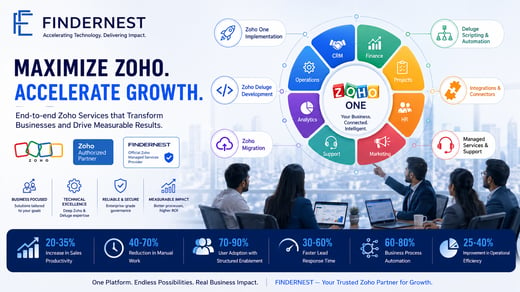 Intelligent Automation • 1 July, 2026 11:04:12 PM IST Zoho Implementation, Deluge & Managed Services | FindErnest 3 min read](https://www.findernest.com/en/blog/zoho-implementation-deluge-managed-services-findernest)
##### [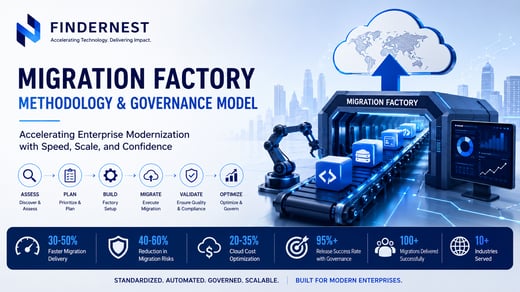 Intelligent Automation • 1 July, 2026 7:57:31 PM IST Enterprise Migration Factory: Governance, Automation & Best Practices 4 min read](https://www.findernest.com/en/blog/enterprise-migration-factory-governance-automation-best-practices)
## Comments
###### Categories
- [Technology](https://www.findernest.com/en/blog/tag/technology)
- [Business Intelligence](https://www.findernest.com/en/blog/tag/business-intelligence)
- [Operations](https://www.findernest.com/en/blog/tag/operations)
- [Business Consulting](https://www.findernest.com/en/blog/tag/business-consulting)
- [Managed Services](https://www.findernest.com/en/blog/tag/managed-services)
- [Innovation](https://www.findernest.com/en/blog/tag/innovation)
- [Intelligent Automation](https://www.findernest.com/en/blog/tag/intelligent-automation)
- [Solution Architecture](https://www.findernest.com/en/blog/tag/solution-architecture)
- [Software Development](https://www.findernest.com/en/blog/tag/software-development)
- [AI (Artificial Intelligence)](https://www.findernest.com/en/blog/tag/ai-artificial-intelligence)
- [Implementation](https://www.findernest.com/en/blog/tag/implementation)
- [Engineering as a Service](https://www.findernest.com/en/blog/tag/engineering-as-a-service)
- [Governance](https://www.findernest.com/en/blog/tag/governance)
- [Application Development](https://www.findernest.com/en/blog/tag/application-development)
- [Configuration](https://www.findernest.com/en/blog/tag/configuration)
- [DevOps](https://www.findernest.com/en/blog/tag/devops)
- [Generative AI](https://www.findernest.com/en/blog/tag/generative-ai)
- [Outsourcing](https://www.findernest.com/en/blog/tag/outsourcing)
- [Framework](https://www.findernest.com/en/blog/tag/framework)
- [Digital Transformation](https://www.findernest.com/en/blog/tag/digital-transformation)
###### Recent Posts
- [FindErnest Vision 2030: Leading AI-First Transformation and Innovation](https://www.findernest.com/en/blog/findernest-vision-2030-leading-ai-first-transformation-and-innovation)
- [Microsoft Security Services: XDR, Sentinel & Zero Trust by FindErnest](https://www.findernest.com/en/blog/microsoft-security-services-xdr-sentinel-zero-trust-by-findernest)
- [Zoho Implementation, Deluge & Managed Services | FindErnest](https://www.findernest.com/en/blog/zoho-implementation-deluge-managed-services-findernest)
- [Enterprise Migration Factory: Governance, Automation & Best Practices](https://www.findernest.com/en/blog/enterprise-migration-factory-governance-automation-best-practices)
- [GCC Readiness Assessment | Global Capability Center | FindErnest](https://www.findernest.com/en/blog/gcc-readiness-assessment-global-capability-center-findernest)
- [n8n Workflow Automation Services | AI Business Automation | FindErnest](https://www.findernest.com/en/blog/n8n-workflow-automation-enterprise-ai-findernest)
- [AI-Forward Development: Transforming Enterprises for the Future](https://www.findernest.com/en/blog/ai-forward-development-transforming-enterprises-for-the-future)
- [AI-Powered Social Research: Transforming Conversations into Growth](https://www.findernest.com/en/blog/ai-powered-social-research-transforming-conversations-into-growth)
- [Context Engineering: The Next Frontier in Enterprise AI Transformation](https://www.findernest.com/en/blog/context-engineering-the-next-frontier-in-enterprise-ai-transformation)
- [Cybersecurity & Identity Solutions: Building Secure Digital Enterprise](https://www.findernest.com/en/blog/cybersecurity-identity-solutions-building-secure-digital-enterprise)
- [ERP & Enterprise Applications: Key Drivers of Modern Business Growth](https://www.findernest.com/en/blog/erp-enterprise-applications-key-drivers-of-modern-business-growth)
- [End-to-End Product Development for Digital-First Enterprises](https://www.findernest.com/en/blog/end-to-end-product-development-for-digital-first-enterprises)
- [Platform Engineering Services: Boosting Productivity and Innovation](https://www.findernest.com/en/blog/platform-engineering-services-boosting-productivity-and-innovation)
- [Why Modern Enterprises Need End-to-End Digital Transformation Services](https://www.findernest.com/en/blog/why-modern-enterprises-need-end-to-end-digital-transformation-services)
- [Top Benefits of Using HubSpot CMS for Your Business](https://www.findernest.com/en/blog/top-benefits-of-using-hubspot-cms-for-your-business)
[](https://www.findernest.com)
## Enterprise Transformation Powered by Expertise, Excellence & Execution
Have a question? Feel free to reach out to info@findernest.com / +917207788004
-
-
-
-
-
-
- Solutions
- [Digital Transformation](https://www.findernest.com/digital-transformation-solutions)
- [AI & Intelligent Automation](https://www.findernest.com/ai)
- [Platform/Product Engineering](https://www.findernest.com/product-development-platform-engineering-services)
- [Business Consulting](https://www.findernest.com/business-consulting-services)
- [Cloud Transformation](https://www.findernest.com/cloud)
- [Data & Analytics](https://www.findernest.com/data)
- [Managed IT Services](https://www.findernest.com/managed-it-services-support)
- [Talent Solutions](https://www.findernest.com/talent-solutions)
- [Partnerships](https://www.findernest.com/platforms)
- [AWS](https://www.findernest.com/aws)
- [Oracle](https://www.findernest.com/oracle)
- [Microsoft](https://www.findernest.com/microsoft)
- [Zoho](https://www.findernest.com/zoho)
- [SAP](https://www.findernest.com/sap)
- [Databricks](https://www.findernest.com/databricks)
- [Hubspot](https://www.findernest.com/hubspot)
- [Salesforce](https://www.findernest.com/salesforce)
- [Service Now](https://www.findernest.com/servicenow)
- [About us](https://www.findernest.com/about)
- [Who we are](https://www.findernest.com/about)
- [How we Engage](https://www.findernest.com/how-we-work)
- [Careers](https://findernest.zohorecruit.in/jobs/Careers)
- [Blog & Insights](https://www.findernest.com/en/blog)
- [Sustainability](https://www.findernest.com/sustainability)
- [Community Guidelines](https://www.findernest.com/policy)
- [Privacy Policy](https://www.findernest.com/privacy)
- [Terms & Conditions](https://www.findernest.com/terms)
© 2026 FindErnest, Inc. All rights reserved. [Privacy Policy](https://www.findernest.com/privacy) | [Acceptable Use Policy](https://www.findernest.com/policy) | [Terms and Conditions](https://www.findernest.com/terms)
```json
{
"@context" : "https://schema.org",
"@type" : "BlogPosting",
"author" : {
"@type" : "Person",
"name" : "Praveen Gundala",
"url" : "https://www.findernest.com/en/blog/author/praveen-gundala"
},
"dateModified" : "2026-05-15T13:11:11.200Z",
"datePublished" : "2026-05-15T13:11:11.000Z",
"headline" : "How AI is Revolutionizing Sustainable Supply Chain Management",
"image" : [ "https://www.findernest.com/hubfs/FindErnest%20Revolutionizing%20Sustainable%20Supply%20Chain%20Management.png" ],
"mainEntityOfPage" : {
"@id" : "https://www.findernest.com/en/blog/how-ai-is-revolutionizing-sustainable-supply-chain-management",
"@type" : "WebPage"
},
"publisher" : {
"@type" : "Organization",
"logo" : {
"@type" : "ImageObject",
"url" : "https://www.findernest.com/hubfs/FINDERNEST%20LOGO.png"
},
"name" : "FindErnest"
}
}
```
```json
{
"@context" : "https://schema.org",
"@id" : "https://findernest.com/#organization",
"@type" : [ "Organization", "ProfessionalService" ],
"alternateName" : "FindErnest Software Services",
"areaServed" : [ {
"@type" : "Country",
"name" : "India"
}, {
"@type" : "Country",
"name" : "United States"
}, {
"@type" : "Country",
"name" : "United Kingdom"
}, {
"@type" : "Country",
"name" : "Canada"
}, {
"@type" : "Country",
"name" : "Australia"
}, {
"@type" : "Country",
"name" : "Singapore"
}, {
"@type" : "Country",
"name" : "United Arab Emirates"
}, {
"@type" : "Country",
"name" : "Saudi Arabia"
}, {
"@type" : "Country",
"name" : "Qatar"
}, {
"@type" : "Country",
"name" : "Kuwait"
}, {
"@type" : "Country",
"name" : "Bahrain"
}, {
"@type" : "Country",
"name" : "Oman"
}, {
"@type" : "Country",
"name" : "Germany"
}, {
"@type" : "Country",
"name" : "France"
}, {
"@type" : "Country",
"name" : "Netherlands"
}, {
"@type" : "Country",
"name" : "Belgium"
}, {
"@type" : "Country",
"name" : "Switzerland"
}, {
"@type" : "Country",
"name" : "Sweden"
}, {
"@type" : "Country",
"name" : "Denmark"
}, {
"@type" : "Country",
"name" : "Norway"
}, {
"@type" : "Country",
"name" : "Ireland"
} ],
"description" : "FindErnest is a Technology, Talent and Transformation Partner helping enterprises accelerate growth through Product Engineering, Platform Engineering, Managed Services, AI Solutions, Digital Transformation, Workforce Solutions, and Enterprise Platform Services.",
"email" : "info@findernest.com",
"foundingDate" : "2022",
"hasOfferCatalog" : {
"@type" : "OfferCatalog",
"itemListElement" : [ {
"@type" : "OfferCatalog",
"name" : "Cloud Platforms"
}, {
"@type" : "OfferCatalog",
"name" : "Enterprise Applications"
}, {
"@type" : "OfferCatalog",
"name" : "CRM & Customer Experience Platforms"
}, {
"@type" : "OfferCatalog",
"name" : "Identity & Security Platforms"
}, {
"@type" : "OfferCatalog",
"name" : "IT Operations & Managed Services Platforms"
}, {
"@type" : "OfferCatalog",
"name" : "Product Engineering"
}, {
"@type" : "OfferCatalog",
"name" : "Platform Engineering"
}, {
"@type" : "OfferCatalog",
"name" : "Talent Solutions"
}, {
"@type" : "OfferCatalog",
"name" : "Contingent Workforce Solutions"
}, {
"@type" : "OfferCatalog",
"name" : "Business Consulting & Outsourcing"
}, {
"@type" : "OfferCatalog",
"name" : "AI & Data Platforms"
} ],
"name" : "FindErnest Platform Solutions"
},
"image" : "https://findernest.com/assets/images/findernest-logo.png",
"knowsAbout" : [ "Artificial Intelligence", "Generative AI", "AI Development", "Product Engineering", "Platform Engineering", "Digital Transformation", "Managed Services", "Technology Consulting", "Cloud Migration", "Cloud Modernization", "Talent Solutions", "Workforce Transformation", "Identity and Access Management", "Automation", "Business Process Optimization", "Customer Experience Platforms", "Enterprise Applications", "AWS", "SAP", "Oracle", "Microsoft", "Google Cloud", "Zoho", "Databricks", "ServiceNow", "Workday", "OutSystems", "miniOrange", "HubSpot", "SuperOps", "Salesforce", "Spin.AI", "Pega" ],
"logo" : "https://findernest.com/assets/images/findernest-logo.png",
"name" : "FindErnest",
"sameAs" : [ "https://www.linkedin.com/company/findernest", "https://www.instagram.com/teamfindernest", "https://www.facebook.com/teamfindernest" ],
"telephone" : "+91-7207788004",
"url" : "https://findernest.com"
}
```