---
title: Revolutionizing Enterprises with IoT, AI, and Smart Automation in 2026
description: Learn how Findernest IoT security, AI & NLP transform enterprises into intelligent, sustainable ecosystems, enhancing compliance & operational efficiency
image: https://www.findernest.com/hubfs/Revolutionizing%20Enterprises%20with%20IoT%2c%20AI%2c%20and%20Smart%20Automation%20in%202026%20FindErnest.png
---
[Skip to main content](https://www.findernest.com/en/blog/revolutionizing-enterprises-with-iot-ai-and-smart-automation-in-2026#main-content)
[ ](https://www.findernest.com)
- [Show submenu for Solutions Solutions](https://www.findernest.com/services)
- [Show submenu for Digital Transformation Digital Transformation](https://www.findernest.com/digital-transformation-solutions)
- [AI & Intelligent Automation](https://www.findernest.com/ai)
- [Cloud Transformation](https://www.findernest.com/cloud)
- [Data & Analytics](https://www.findernest.com/data)
- [Enterprise Digital Transformation](https://www.findernest.com/software-engineering)
- [Customer Experience Transformation](https://www.findernest.com/ui-ux)
- [Cybersecurity & Identity Solutions](https://www.findernest.com/cybersecurity)
- [Show submenu for Product/Platform Engineering Product/Platform Engineering](https://www.findernest.com/product-development-platform-engineering-services)
- [Platform Engineering](https://www.findernest.com/software-engineering)
- [Product Development](https://www.findernest.com/software-engineering)
- [Cloud-Native Applications](https://www.findernest.com/cloud)
- [DevOps & DevSecOps](https://www.findernest.com/devops)
- [ERP & Enterprise Applications](https://www.findernest.com/product-development-platform-engineering-services)
- [Observability & Reliability](https://www.findernest.com/observability-reliability-services)
- [Show submenu for Managed IT Solutions Managed IT Solutions](https://www.findernest.com/managed-it-services-support)
- [IT Support](https://www.findernest.com/managed-it-services-support)
- [Cybersecurity](https://www.findernest.com/cybersecurity)
- [Cloud Infrastructure](https://www.findernest.com/cloud)
- [Disaster Recovery](https://www.findernest.com/devops)
- [Network & Server Management](https://www.findernest.com/managed-it-services-support)
- [Show submenu for Talent Solutions Talent Solutions](https://www.findernest.com/talent-solutions)
- [Contingent Workforce](https://www.findernest.com/talent-solutions)
- [Dedicated Team](https://www.findernest.com/talent-solutions)
- [Staffing Services](https://www.findernest.com/talent-solutions)
- [Recruitment Process Outsourcing](https://www.findernest.com/talent-solutions)
- [Show submenu for Platforms Platforms](https://www.findernest.com/platforms)
- [AWS](https://www.findernest.com/aws)
- [SAP](https://www.findernest.com/sap)
- [Oracle](https://www.findernest.com/oracle)
- [Microsoft](https://www.findernest.com/microsoft)
- Google Cloud
- [Zoho](https://www.findernest.com/zoho)
- [Databricks](https://www.findernest.com/databricks)
- [Servicenow](https://www.findernest.com/servicenow)
- [Outsystems](https://www.findernest.com/outsystems)
- [Hubspot](https://www.findernest.com/hubspot)
- [Salesforce](https://www.findernest.com/salesforce)
- [Show submenu for Industries Industries](https://www.findernest.com/industry)
- [Show submenu for Technology & Internet Technology & Internet](https://www.findernest.com/industry)
- [Ecommerce](https://www.findernest.com/industry)
- [HealthTech](https://www.findernest.com/industry)
- [FinTech](https://www.findernest.com/industry)
- [Edutech](https://www.findernest.com/industry)
- [High Tech](https://www.findernest.com/industry)
- [Show submenu for Healthcare & Life Sciences Healthcare & Life Sciences](https://www.findernest.com/industry)
- [Healthcare](https://www.findernest.com/industry)
- [Life Sciences](https://www.findernest.com/industry)
- [Pharmaceuticals](https://www.findernest.com/industry)
- [Medical Devices](https://www.findernest.com/industry)
- [Biotechnology](https://www.findernest.com/industry)
- [Show submenu for BFSI BFSI](https://www.findernest.com/industry)
- [Banking](https://www.findernest.com/industry)
- [Insurance](https://www.findernest.com/industry)
- [Financial Services](https://www.findernest.com/industry)
- [Show submenu for TME TME](https://www.findernest.com/industry)
- [Telecom](https://www.findernest.com/industry)
- [Gaming](https://www.findernest.com/industry)
- [Entertainment](https://www.findernest.com/industry)
- [OTT (Over-The-Top)](https://www.findernest.com/industry)
- [Media](https://www.findernest.com/industry)
- [Show submenu for Engineering & Construction Engineering & Construction](https://www.findernest.com/industry)
- [Engineering](https://www.findernest.com/industry)
- [Transportation](https://www.findernest.com/industry)
- [Infrastructure](https://www.findernest.com/industry)
- [Commercial/ Residential](https://www.findernest.com/industry)
- [Show submenu for Supply Chain Supply Chain](https://www.findernest.com/industry)
- [Manufacturing](https://www.findernest.com/industry)
- [FMCG](https://www.findernest.com/industry)
- [Automotive](https://www.findernest.com/industry)
- [Show submenu for Energy & Utilities Energy & Utilities](https://www.findernest.com/industry)
- [Oil & Gas](https://www.findernest.com/industry)
- [Environment](https://www.findernest.com/industry)
- [Energy](https://www.findernest.com/industry)
- [Utilities](https://www.findernest.com/industry)
- [Govt & Public Sector](https://www.findernest.com/industry)
- [Careers](https://findernest.zohorecruit.in/jobs/Careers)
- [Show submenu for About Us About Us](https://www.findernest.com/about)
- [Who we Are](https://www.findernest.com/about)
- [How We Work](https://www.findernest.com/how-we-work)
- [Blogs & Insights](https://www.findernest.com/en/blog)
- [Sustainability](https://www.findernest.com/sustainability)
- [Privacy Policy](https://www.findernest.com/privacy)
- [Community Guidelines](https://www.findernest.com/policy)
- [Terms & Conditions](https://www.findernest.com/terms)
Open main navigation
Close main navigation
- Show submenu for Solutions Solutions
- Solutions
- [Solutions](https://www.findernest.com/services)
- Show submenu for Digital Transformation Digital Transformation
- Digital Transformation
- [Digital Transformation](https://www.findernest.com/digital-transformation-solutions)
- [AI & Intelligent Automation](https://www.findernest.com/ai)
- [Cloud Transformation](https://www.findernest.com/cloud)
- [Data & Analytics](https://www.findernest.com/data)
- [Enterprise Digital Transformation](https://www.findernest.com/software-engineering)
- [Customer Experience Transformation](https://www.findernest.com/ui-ux)
- [Cybersecurity & Identity Solutions](https://www.findernest.com/cybersecurity)
- Show submenu for Product/Platform Engineering Product/Platform Engineering
- Product/Platform Engineering
- [Product/Platform Engineering](https://www.findernest.com/product-development-platform-engineering-services)
- [Platform Engineering](https://www.findernest.com/software-engineering)
- [Product Development](https://www.findernest.com/software-engineering)
- [Cloud-Native Applications](https://www.findernest.com/cloud)
- [DevOps & DevSecOps](https://www.findernest.com/devops)
- [ERP & Enterprise Applications](https://www.findernest.com/product-development-platform-engineering-services)
- [Observability & Reliability](https://www.findernest.com/observability-reliability-services)
- Show submenu for Managed IT Solutions Managed IT Solutions
- Managed IT Solutions
- [Managed IT Solutions](https://www.findernest.com/managed-it-services-support)
- [IT Support](https://www.findernest.com/managed-it-services-support)
- [Cybersecurity](https://www.findernest.com/cybersecurity)
- [Cloud Infrastructure](https://www.findernest.com/cloud)
- [Disaster Recovery](https://www.findernest.com/devops)
- [Network & Server Management](https://www.findernest.com/managed-it-services-support)
- Show submenu for Talent Solutions Talent Solutions
- Talent Solutions
- [Talent Solutions](https://www.findernest.com/talent-solutions)
- [Contingent Workforce](https://www.findernest.com/talent-solutions)
- [Dedicated Team](https://www.findernest.com/talent-solutions)
- [Staffing Services](https://www.findernest.com/talent-solutions)
- [Recruitment Process Outsourcing](https://www.findernest.com/talent-solutions)
- Show submenu for Platforms Platforms
- Platforms
- [Platforms](https://www.findernest.com/platforms)
- [AWS](https://www.findernest.com/aws)
- [SAP](https://www.findernest.com/sap)
- [Oracle](https://www.findernest.com/oracle)
- [Microsoft](https://www.findernest.com/microsoft)
- Google Cloud
- [Zoho](https://www.findernest.com/zoho)
- [Databricks](https://www.findernest.com/databricks)
- [Servicenow](https://www.findernest.com/servicenow)
- [Outsystems](https://www.findernest.com/outsystems)
- [Hubspot](https://www.findernest.com/hubspot)
- [Salesforce](https://www.findernest.com/salesforce)
- Show submenu for Industries Industries
- Industries
- [Industries](https://www.findernest.com/industry)
- Show submenu for Technology & Internet Technology & Internet
- Technology & Internet
- [Technology & Internet](https://www.findernest.com/industry)
- [Ecommerce](https://www.findernest.com/industry)
- [HealthTech](https://www.findernest.com/industry)
- [FinTech](https://www.findernest.com/industry)
- [Edutech](https://www.findernest.com/industry)
- [High Tech](https://www.findernest.com/industry)
- Show submenu for Healthcare & Life Sciences Healthcare & Life Sciences
- Healthcare & Life Sciences
- [Healthcare & Life Sciences](https://www.findernest.com/industry)
- [Healthcare](https://www.findernest.com/industry)
- [Life Sciences](https://www.findernest.com/industry)
- [Pharmaceuticals](https://www.findernest.com/industry)
- [Medical Devices](https://www.findernest.com/industry)
- [Biotechnology](https://www.findernest.com/industry)
- Show submenu for BFSI BFSI
- BFSI
- [BFSI](https://www.findernest.com/industry)
- [Banking](https://www.findernest.com/industry)
- [Insurance](https://www.findernest.com/industry)
- [Financial Services](https://www.findernest.com/industry)
- Show submenu for TME TME
- TME
- [TME](https://www.findernest.com/industry)
- [Telecom](https://www.findernest.com/industry)
- [Gaming](https://www.findernest.com/industry)
- [Entertainment](https://www.findernest.com/industry)
- [OTT (Over-The-Top)](https://www.findernest.com/industry)
- [Media](https://www.findernest.com/industry)
- Show submenu for Engineering & Construction Engineering & Construction
- Engineering & Construction
- [Engineering & Construction](https://www.findernest.com/industry)
- [Engineering](https://www.findernest.com/industry)
- [Transportation](https://www.findernest.com/industry)
- [Infrastructure](https://www.findernest.com/industry)
- [Commercial/ Residential](https://www.findernest.com/industry)
- Show submenu for Supply Chain Supply Chain
- Supply Chain
- [Supply Chain](https://www.findernest.com/industry)
- [Manufacturing](https://www.findernest.com/industry)
- [FMCG](https://www.findernest.com/industry)
- [Automotive](https://www.findernest.com/industry)
- Show submenu for Energy & Utilities Energy & Utilities
- Energy & Utilities
- [Energy & Utilities](https://www.findernest.com/industry)
- [Oil & Gas](https://www.findernest.com/industry)
- [Environment](https://www.findernest.com/industry)
- [Energy](https://www.findernest.com/industry)
- [Utilities](https://www.findernest.com/industry)
- [Govt & Public Sector](https://www.findernest.com/industry)
- [Careers](https://findernest.zohorecruit.in/jobs/Careers)
- Show submenu for About Us About Us
- About Us
- [About Us](https://www.findernest.com/about)
- [Who we Are](https://www.findernest.com/about)
- [How We Work](https://www.findernest.com/how-we-work)
- [Blogs & Insights](https://www.findernest.com/en/blog)
- [Sustainability](https://www.findernest.com/sustainability)
- [Privacy Policy](https://www.findernest.com/privacy)
- [Community Guidelines](https://www.findernest.com/policy)
- [Terms & Conditions](https://www.findernest.com/terms)
- Search
- [Contact](https://www.findernest.com/contact)
[Contact](https://www.findernest.com/contact)
Search
# Revolutionizing Enterprises with IoT, AI, and Smart Automation in 2026

by [Praveen Gundala](https://www.findernest.com/en/blog/author/praveen-gundala)
24 May, 2026 5:46:12 PM IST
Welcome to the era of the cognitive enterprise—where connected devices, conversational AI, and intelligent automation work together to transform how businesses operate.
By combining IoT security, Natural Language Processing (NLP), and smart automation, organizations are streamlining operations, strengthening cyber defenses, and building more sustainable, future-ready enterprises.
### The Convergence: Building the Intelligent Enterprise
Modern businesses must innovate quickly while meeting strict sustainability and security expectations. This shift is powered by three core pillars:
IoT (Internet of Things): The physical nervous system of your business. It tracks equipment, monitors energy use, and delivers real-time data from across your operations.
NLP (Natural Language Processing): The cognitive interface. It lets teams interact with complex systems and data using natural voice or text commands.
Smart Automation: The action engine. It turns data into decisions, automating routine tasks, removing bottlenecks, and reducing manual effort.
#### Why Securing the Ecosystem Matters
As billions of devices connect to enterprise networks, each one becomes a potential entry point for attackers. A single compromised IoT device can expose an entire infrastructure, making strong IoT security essential—not optional.
Enterprises are now adopting AI-driven threat detection, encryption, and secure architectures to protect data, maintain trust, and keep operations running safely at scale.
#### Elevating Operations with NLP and Automation
Imagine managing supply chains, tracking plant-floor activity, or adjusting building conditions simply by talking to a digital assistant or dashboard. NLP makes it easy for people to access and understand operational data. Paired with smart automation, it helps teams act quickly on insights—from incident response to predictive maintenance—without getting buried in complexity.
#### Driving Sustainable Impact
Security and intelligence are only part of the story. Leading enterprises are using IoT sensors and automation to reduce energy consumption, optimize resources, and minimize waste. By aligning technology with sustainability and ESG goals, they achieve both operational excellence and regulatory compliance.
In this blog series, we’ll:
- Share blueprints for secure IoT architectures
- Explore how NLP simplifies and accelerates operational workflows
- Offer practical guidance for building sustainable, resilient, and future-ready enterprises
As digital transformation accelerates, the convergence of IoT, AI, NLP, and automation is redefining how organizations operate, manage risk, and protect critical infrastructure. From manufacturing plants to logistics hubs and corporate campuses, businesses are under pressure to:
- Cut operational costs
- Improve sustainability performance
- Secure increasingly complex IoT environments
This is where modern intelligent automation frameworks become essential.
At FindErnest, enterprises are using secure IoT architectures, AI-powered analytics, and smart automation workflows to turn disconnected operations into predictive, scalable, and ESG-aligned ecosystems.
---
## Why IoT Security and Smart Automation Matter in 2026
The global enterprise landscape is rapidly evolving:
- Over **75 billion connected IoT devices** are projected worldwide by 2030.
- Manufacturing downtime costs enterprises an average of **$260,000 per hour**.
- ESG reporting requirements are becoming mandatory across global supply chains.
- Nearly **57% of enterprises** report increased cyber risks from unmanaged edge devices.
- AI-driven automation is expected to reduce operational overhead by **30–40%** in industrial environments.
The challenge is no longer deploying IoT devices.
The challenge is:
- Securing them,
- Extracting actionable intelligence,
- Automating decision-making,
- And maintaining compliance continuously.
---
## The Rise of Secure Intelligent IoT Ecosystems
Traditional enterprise systems often rely on:
- Manual reporting,
- Fragmented monitoring tools,
- Reactive maintenance,
- Delayed compliance audits,
- And siloed operational data.
Modern intelligent IoT ecosystems solve these problems through:
- Edge computing,
- Real-time analytics,
- AI-driven anomaly detection,
- NLP-powered document intelligence,
- Automated workflows,
- And predictive maintenance models.
---
## Securing the Edge: Best Practices for Cloud-Connected IoT Gateways
#### Why Edge Security Is Critical
Every IoT gateway, industrial sensor, or connected device becomes a potential attack surface.
In manufacturing, logistics, utilities, and healthcare environments, even a single compromised gateway can lead to:
- Production shutdowns,
- Data breaches,
- ESG compliance violations,
- Supply chain disruptions,
- Or ransomware attacks.
Organizations must move beyond basic firewall protection toward enterprise-grade IoT security architectures.
---
### Best Practices for Enterprise IoT Security
#### 1. Zero-Trust IoT Architecture
Every device, API, and user interaction should be authenticated continuously.
FindErnest helps enterprises implement:
- Identity-aware IoT access controls,
- Multi-layer authentication,
- Device fingerprinting,
- Secure API gateways,
- And network micro-segmentation.
#### 2. Real-Time Threat Detection
AI-powered anomaly detection continuously monitors:
- Device behavior,
- Traffic spikes,
- Sensor inconsistencies,
- Unauthorized access attempts,
- And suspicious operational patterns.
This enables proactive incident response before business disruption occurs.
#### 3. Edge-to-Cloud Encryption
Sensitive industrial and ESG data must remain encrypted:
- In transit,
- At rest,
- And during edge processing.
FindErnest designs secure hybrid architectures across:
- AWS IoT,
- Microsoft Azure IoT,
- Google Cloud,
- And private edge environments.
#### 4. Automated Compliance Monitoring
Continuous monitoring helps businesses comply with:
- Environmental regulations,
- ESG reporting mandates,
- ISO security frameworks,
- GDPR,
- HIPAA,
- And industry-specific governance standards.
---
## How Combining NLP and IoT Streamlines Enterprise Operations
### The Hidden Problem: Unstructured Operational Data
Most enterprises generate massive amounts of:
- Inspection reports,
- Compliance documents,
- Maintenance logs,
- Safety audits,
- Equipment manuals,
- And operational emails.
Unfortunately, this data often remains unstructured and underutilized.
This is where Natural Language Processing (NLP) becomes transformative.
---
### NLP + IoT = Intelligent Operational Automation
By integrating NLP engines with IoT ecosystems, businesses can automatically:
- Extract insights from reports,
- Detect compliance risks,
- Automate ticket creation,
- Trigger maintenance workflows,
- Summarize operational incidents,
- And improve decision-making speed.
---
### Real Enterprise Use Case: Smart Manufacturing Automation
Imagine a manufacturing facility running hundreds of industrial machines.
Traditional process:
1. Technician manually records equipment readings.
2. Reports are reviewed weekly.
3. Maintenance issues are discovered after downtime occurs.
4. Compliance teams manually compile ESG reports monthly.
With FindErnest’s intelligent automation framework:
#### IoT Sensors
Continuously monitor:
- Temperature,
- Pressure,
- Vibration,
- Air quality,
- Energy consumption,
- And chemical exposure levels.
#### AI + MLOps Engine
Predicts:
- Equipment failures,
- Performance degradation,
- And abnormal operational patterns.
#### NLP Layer
Automatically extracts insights from:
- Technician notes,
- PDF reports,
- Compliance documentation,
- Emails,
- And maintenance logs.
#### Smart Automation Workflow
Triggers:
- Instant alerts,
- Service tickets,
- Automated ESG reporting,
- Maintenance scheduling,
- And executive dashboards.
---
## Business Impact: Measurable ROI from Intelligent Automation
Organizations adopting secure IoT and AI-driven automation are reporting:
| Business Area | Average Improvement |
| --- | --- |
| Operational Downtime | Reduced by 35–50% |
| Maintenance Costs | Reduced by 20–30% |
| ESG Reporting Time | Reduced by 70% |
| Security Incident Response | Improved by 60% |
| Asset Utilization | Increased by 25% |
| Supply Chain Visibility | Improved by 40% |
For mid-sized manufacturing enterprises, this can translate into:
- Millions saved annually in downtime prevention,
- Faster compliance reporting,
- Reduced regulatory penalties,
- And improved operational resilience.
---
## Green IoT and ESG Compliance: The Emerging Competitive Advantage
### Why ESG Monitoring Is Becoming Mandatory
Governments and investors increasingly demand:
- Real-time emissions reporting,
- Sustainability transparency,
- Energy efficiency monitoring,
- And environmental accountability.
Manual ESG reporting processes are no longer scalable.
---
### How FindErnest Enables Real-Time ESG Intelligence
[FindErnest](https://findernest.com/?utm_source=chatgpt.com) helps enterprises implement Green IoT ecosystems that continuously monitor:
- Carbon emissions,
- Water consumption,
- Air quality,
- Energy utilization,
- Waste generation,
- And environmental threshold violations.
#### Continuous ESG Intelligence Includes:
- Automated sustainability dashboards,
- Real-time compliance alerts,
- AI-driven environmental forecasting,
- Smart utility optimization,
- And automated audit-ready reporting.
---
## Predictive Maintenance: From Reactive to Intelligent Operations
Reactive maintenance is expensive.
Modern enterprises are shifting toward AI-powered predictive maintenance models that use:
- Sensor telemetry,
- Machine learning,
- Historical failure data,
- And anomaly detection.
FindErnest helps businesses build scalable predictive maintenance ecosystems that:
- Detect issues early,
- Prevent production interruptions,
- Extend equipment lifespan,
- And reduce emergency repair costs.
---
### Why Enterprises Choose FindErnest
[FindErnest](https://findernest.com/?utm_source=chatgpt.com) combines:
- IoT engineering,
- AI/ML optimization,
- Cloud infrastructure expertise,
- Cybersecurity frameworks,
- MLOps automation,
- NLP integration,
- Enterprise consulting
to deliver intelligent digital transformation solutions tailored to complex enterprise operations.
---
### FindErnest Core Capabilities
###### IoT & Edge Infrastructure
- Industrial IoT deployment
- Sensor integration
- Edge gateway architecture
- Real-time monitoring systems
###### AI & Predictive Analytics
- Machine learning pipelines
- Predictive maintenance models
- Computer vision systems
- AI-driven anomaly detection
###### Smart Automation
- Workflow orchestration
- Intelligent process automation
- NLP-based document intelligence
- Automated compliance reporting
###### Cloud & Security
- AWS/Azure IoT integration
- Zero-trust architectures
- Secure device management
- Enterprise-grade monitoring
---
### Future Outlook: The Autonomous Enterprise
The future of enterprise operations is autonomous, predictive, and continuously optimized.
Organizations that successfully combine:
- IoT
- AI
- NLP
- Automation
- And cybersecurity
will gain major competitive advantages through:
- Lower operational costs
- Faster decision-making
- Higher sustainability performance
- Stronger compliance readiness
- And improved business resilience
---
### Conclusion
IoT is no longer just about connected devices.
It is about building secure, intelligent ecosystems capable of:
- Predicting failures,
- Automating operations,
- Strengthening ESG compliance,
- And transforming enterprise decision-making in real time.
Businesses that delay modernization risk:
- Operational inefficiencies,
- Rising cybersecurity threats,
- Compliance penalties,
- And lost competitive advantage.
With advanced IoT engineering, AI-powered automation, NLP intelligence, and secure cloud integration, [FindErnest](https://findernest.com/?utm_source=chatgpt.com) helps enterprises move from reactive operations to intelligent, predictive digital ecosystems.
##### Ready to modernize your enterprise operations?
Partner with [FindErnest](https://findernest.com/?utm_source=chatgpt.com) to design scalable, secure, and AI-driven IoT solutions tailored to your industry, infrastructure, and growth goals.
**Tags:**
[Generative AI,](https://www.findernest.com/en/blog/tag/generative-ai) [Conversational AI,](https://www.findernest.com/en/blog/tag/conversational-ai) [Intelligent Automation,](https://www.findernest.com/en/blog/tag/intelligent-automation) [DevOps,](https://www.findernest.com/en/blog/tag/devops) [Innovation,](https://www.findernest.com/en/blog/tag/innovation) [IoT,](https://www.findernest.com/en/blog/tag/iot) [Managed Services,](https://www.findernest.com/en/blog/tag/managed-services) [Implementation,](https://www.findernest.com/en/blog/tag/implementation) [AI (Artificial Intelligence),](https://www.findernest.com/en/blog/tag/ai-artificial-intelligence) [Machine Learning,](https://www.findernest.com/en/blog/tag/machine-learning) [Business Intelligence,](https://www.findernest.com/en/blog/tag/business-intelligence) [Configuration,](https://www.findernest.com/en/blog/tag/configuration) [Operations,](https://www.findernest.com/en/blog/tag/operations) [Robotic Process Automation (RPA),](https://www.findernest.com/en/blog/tag/robotic-process-automation-rpa) [MLOps,](https://www.findernest.com/en/blog/tag/mlops) [Python,](https://www.findernest.com/en/blog/tag/python) [Programming Language,](https://www.findernest.com/en/blog/tag/programming-language) [Retrieval Augmented Generation (RAG),](https://www.findernest.com/en/blog/tag/retrieval-augmented-generation-rag) [NLP,](https://www.findernest.com/en/blog/tag/nlp) [Product Engineering,](https://www.findernest.com/en/blog/tag/product-engineering) [Application Development,](https://www.findernest.com/en/blog/tag/application-development) [Agentic AI,](https://www.findernest.com/en/blog/tag/agentic-ai) [Digital Transformation,](https://www.findernest.com/en/blog/tag/digital-transformation) [Large Language Models (LLMs)](https://www.findernest.com/en/blog/tag/large-language-models-llms)

Post by [Praveen Gundala](https://www.findernest.com/en/blog/author/praveen-gundala)
Praveen Gundala, Founder and Chief Executive Officer of FindErnest, provides value-added information technology and innovative digital solutions that enhance client business performance, accelerate time-to-market, increase productivity, and improve customer service. FindErnest offers end-to-end solutions tailored to clients' specific needs. Our persuasive tone emphasizes our dedication to producing outstanding outcomes and our capacity to use talent and technology to propel business success. I have a strong interest in using cutting-edge technology and creative solutions to fulfill the constantly changing needs of businesses. In order to keep up with the latest developments, I am always looking for ways to improve my knowledge and abilities. Fast-paced work environments are my favorite because they allow me to use my drive and entrepreneurial spirit to produce amazing results. My outstanding leadership and communication abilities enable me to inspire and encourage my team and create a successful culture.
[Follow me on my website](https://www.findernest.com) [Follow me on Facebook](https://www.facebook.com/teamfindernest) [Follow me on LinkedIn](https://www.linkedin.com/company/findernest) [Follow me on Twitter](https://x.com/findernestteam)
### Related Articles
##### [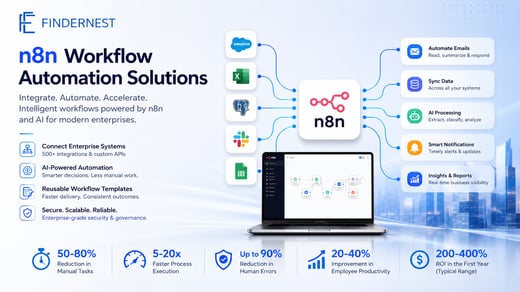 Generative AI • 29 June, 2026 11:08:15 AM IST n8n Workflow Automation Services | AI Business Automation | FindErnest 3 min read](https://www.findernest.com/en/blog/n8n-workflow-automation-enterprise-ai-findernest)
##### [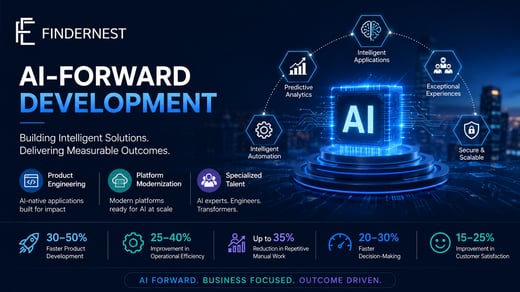 Generative AI • 23 June, 2026 8:12:51 PM IST AI-Forward Development: Transforming Enterprises for the Future 3 min read](https://www.findernest.com/en/blog/ai-forward-development-transforming-enterprises-for-the-future)
##### [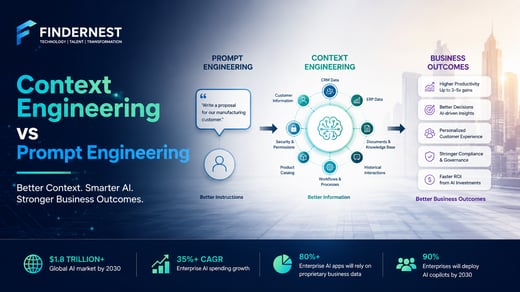 Generative AI • 23 June, 2026 7:36:52 PM IST Context Engineering: The Next Frontier in Enterprise AI Transformation 6 min read](https://www.findernest.com/en/blog/context-engineering-the-next-frontier-in-enterprise-ai-transformation)
## Comments
###### Categories
- [Technology](https://www.findernest.com/en/blog/tag/technology)
- [Business Intelligence](https://www.findernest.com/en/blog/tag/business-intelligence)
- [Operations](https://www.findernest.com/en/blog/tag/operations)
- [Business Consulting](https://www.findernest.com/en/blog/tag/business-consulting)
- [Managed Services](https://www.findernest.com/en/blog/tag/managed-services)
- [Innovation](https://www.findernest.com/en/blog/tag/innovation)
- [Intelligent Automation](https://www.findernest.com/en/blog/tag/intelligent-automation)
- [Solution Architecture](https://www.findernest.com/en/blog/tag/solution-architecture)
- [Software Development](https://www.findernest.com/en/blog/tag/software-development)
- [AI (Artificial Intelligence)](https://www.findernest.com/en/blog/tag/ai-artificial-intelligence)
- [Implementation](https://www.findernest.com/en/blog/tag/implementation)
- [Engineering as a Service](https://www.findernest.com/en/blog/tag/engineering-as-a-service)
- [Governance](https://www.findernest.com/en/blog/tag/governance)
- [Application Development](https://www.findernest.com/en/blog/tag/application-development)
- [Configuration](https://www.findernest.com/en/blog/tag/configuration)
- [DevOps](https://www.findernest.com/en/blog/tag/devops)
- [Generative AI](https://www.findernest.com/en/blog/tag/generative-ai)
- [Outsourcing](https://www.findernest.com/en/blog/tag/outsourcing)
- [Framework](https://www.findernest.com/en/blog/tag/framework)
- [Digital Transformation](https://www.findernest.com/en/blog/tag/digital-transformation)
###### Recent Posts
- [FindErnest Vision 2030: Leading AI-First Transformation and Innovation](https://www.findernest.com/en/blog/findernest-vision-2030-leading-ai-first-transformation-and-innovation)
- [Microsoft Security Services: XDR, Sentinel & Zero Trust by FindErnest](https://www.findernest.com/en/blog/microsoft-security-services-xdr-sentinel-zero-trust-by-findernest)
- [Zoho Implementation, Deluge & Managed Services | FindErnest](https://www.findernest.com/en/blog/zoho-implementation-deluge-managed-services-findernest)
- [Enterprise Migration Factory: Governance, Automation & Best Practices](https://www.findernest.com/en/blog/enterprise-migration-factory-governance-automation-best-practices)
- [GCC Readiness Assessment | Global Capability Center | FindErnest](https://www.findernest.com/en/blog/gcc-readiness-assessment-global-capability-center-findernest)
- [n8n Workflow Automation Services | AI Business Automation | FindErnest](https://www.findernest.com/en/blog/n8n-workflow-automation-enterprise-ai-findernest)
- [AI-Forward Development: Transforming Enterprises for the Future](https://www.findernest.com/en/blog/ai-forward-development-transforming-enterprises-for-the-future)
- [AI-Powered Social Research: Transforming Conversations into Growth](https://www.findernest.com/en/blog/ai-powered-social-research-transforming-conversations-into-growth)
- [Context Engineering: The Next Frontier in Enterprise AI Transformation](https://www.findernest.com/en/blog/context-engineering-the-next-frontier-in-enterprise-ai-transformation)
- [Cybersecurity & Identity Solutions: Building Secure Digital Enterprise](https://www.findernest.com/en/blog/cybersecurity-identity-solutions-building-secure-digital-enterprise)
- [ERP & Enterprise Applications: Key Drivers of Modern Business Growth](https://www.findernest.com/en/blog/erp-enterprise-applications-key-drivers-of-modern-business-growth)
- [End-to-End Product Development for Digital-First Enterprises](https://www.findernest.com/en/blog/end-to-end-product-development-for-digital-first-enterprises)
- [Platform Engineering Services: Boosting Productivity and Innovation](https://www.findernest.com/en/blog/platform-engineering-services-boosting-productivity-and-innovation)
- [Why Modern Enterprises Need End-to-End Digital Transformation Services](https://www.findernest.com/en/blog/why-modern-enterprises-need-end-to-end-digital-transformation-services)
- [Top Benefits of Using HubSpot CMS for Your Business](https://www.findernest.com/en/blog/top-benefits-of-using-hubspot-cms-for-your-business)
[](https://www.findernest.com)
## Enterprise Transformation Powered by Expertise, Excellence & Execution
Have a question? Feel free to reach out to info@findernest.com / +917207788004
-
-
-
-
-
-
- Solutions
- [Digital Transformation](https://www.findernest.com/digital-transformation-solutions)
- [AI & Intelligent Automation](https://www.findernest.com/ai)
- [Platform/Product Engineering](https://www.findernest.com/product-development-platform-engineering-services)
- [Business Consulting](https://www.findernest.com/business-consulting-services)
- [Cloud Transformation](https://www.findernest.com/cloud)
- [Data & Analytics](https://www.findernest.com/data)
- [Managed IT Services](https://www.findernest.com/managed-it-services-support)
- [Talent Solutions](https://www.findernest.com/talent-solutions)
- [Partnerships](https://www.findernest.com/platforms)
- [AWS](https://www.findernest.com/aws)
- [Oracle](https://www.findernest.com/oracle)
- [Microsoft](https://www.findernest.com/microsoft)
- [Zoho](https://www.findernest.com/zoho)
- [SAP](https://www.findernest.com/sap)
- [Databricks](https://www.findernest.com/databricks)
- [Hubspot](https://www.findernest.com/hubspot)
- [Salesforce](https://www.findernest.com/salesforce)
- [Service Now](https://www.findernest.com/servicenow)
- [About us](https://www.findernest.com/about)
- [Who we are](https://www.findernest.com/about)
- [How we Engage](https://www.findernest.com/how-we-work)
- [Careers](https://findernest.zohorecruit.in/jobs/Careers)
- [Blog & Insights](https://www.findernest.com/en/blog)
- [Sustainability](https://www.findernest.com/sustainability)
- [Community Guidelines](https://www.findernest.com/policy)
- [Privacy Policy](https://www.findernest.com/privacy)
- [Terms & Conditions](https://www.findernest.com/terms)
© 2026 FindErnest, Inc. All rights reserved. [Privacy Policy](https://www.findernest.com/privacy) | [Acceptable Use Policy](https://www.findernest.com/policy) | [Terms and Conditions](https://www.findernest.com/terms)
```json
{
"@context" : "https://schema.org",
"@type" : "BlogPosting",
"author" : {
"@type" : "Person",
"name" : "Praveen Gundala",
"url" : "https://www.findernest.com/en/blog/author/praveen-gundala"
},
"dateModified" : "2026-05-24T12:23:10.330Z",
"datePublished" : "2026-05-24T12:16:12.000Z",
"headline" : "Revolutionizing Enterprises with IoT, AI, and Smart Automation in 2026",
"image" : [ "https://www.findernest.com/hubfs/Revolutionizing%20Enterprises%20with%20IoT%2c%20AI%2c%20and%20Smart%20Automation%20in%202026%20FindErnest.png" ],
"mainEntityOfPage" : {
"@id" : "https://www.findernest.com/en/blog/revolutionizing-enterprises-with-iot-ai-and-smart-automation-in-2026",
"@type" : "WebPage"
},
"publisher" : {
"@type" : "Organization",
"logo" : {
"@type" : "ImageObject",
"url" : "https://www.findernest.com/hubfs/FINDERNEST%20LOGO.png"
},
"name" : "FindErnest"
}
}
```
```json
{
"@context" : "https://schema.org",
"@id" : "https://findernest.com/#organization",
"@type" : [ "Organization", "ProfessionalService" ],
"alternateName" : "FindErnest Software Services",
"areaServed" : [ {
"@type" : "Country",
"name" : "India"
}, {
"@type" : "Country",
"name" : "United States"
}, {
"@type" : "Country",
"name" : "United Kingdom"
}, {
"@type" : "Country",
"name" : "Canada"
}, {
"@type" : "Country",
"name" : "Australia"
}, {
"@type" : "Country",
"name" : "Singapore"
}, {
"@type" : "Country",
"name" : "United Arab Emirates"
}, {
"@type" : "Country",
"name" : "Saudi Arabia"
}, {
"@type" : "Country",
"name" : "Qatar"
}, {
"@type" : "Country",
"name" : "Kuwait"
}, {
"@type" : "Country",
"name" : "Bahrain"
}, {
"@type" : "Country",
"name" : "Oman"
}, {
"@type" : "Country",
"name" : "Germany"
}, {
"@type" : "Country",
"name" : "France"
}, {
"@type" : "Country",
"name" : "Netherlands"
}, {
"@type" : "Country",
"name" : "Belgium"
}, {
"@type" : "Country",
"name" : "Switzerland"
}, {
"@type" : "Country",
"name" : "Sweden"
}, {
"@type" : "Country",
"name" : "Denmark"
}, {
"@type" : "Country",
"name" : "Norway"
}, {
"@type" : "Country",
"name" : "Ireland"
} ],
"description" : "FindErnest is a Technology, Talent and Transformation Partner helping enterprises accelerate growth through Product Engineering, Platform Engineering, Managed Services, AI Solutions, Digital Transformation, Workforce Solutions, and Enterprise Platform Services.",
"email" : "info@findernest.com",
"foundingDate" : "2022",
"hasOfferCatalog" : {
"@type" : "OfferCatalog",
"itemListElement" : [ {
"@type" : "OfferCatalog",
"name" : "Cloud Platforms"
}, {
"@type" : "OfferCatalog",
"name" : "Enterprise Applications"
}, {
"@type" : "OfferCatalog",
"name" : "CRM & Customer Experience Platforms"
}, {
"@type" : "OfferCatalog",
"name" : "Identity & Security Platforms"
}, {
"@type" : "OfferCatalog",
"name" : "IT Operations & Managed Services Platforms"
}, {
"@type" : "OfferCatalog",
"name" : "Product Engineering"
}, {
"@type" : "OfferCatalog",
"name" : "Platform Engineering"
}, {
"@type" : "OfferCatalog",
"name" : "Talent Solutions"
}, {
"@type" : "OfferCatalog",
"name" : "Contingent Workforce Solutions"
}, {
"@type" : "OfferCatalog",
"name" : "Business Consulting & Outsourcing"
}, {
"@type" : "OfferCatalog",
"name" : "AI & Data Platforms"
} ],
"name" : "FindErnest Platform Solutions"
},
"image" : "https://findernest.com/assets/images/findernest-logo.png",
"knowsAbout" : [ "Artificial Intelligence", "Generative AI", "AI Development", "Product Engineering", "Platform Engineering", "Digital Transformation", "Managed Services", "Technology Consulting", "Cloud Migration", "Cloud Modernization", "Talent Solutions", "Workforce Transformation", "Identity and Access Management", "Automation", "Business Process Optimization", "Customer Experience Platforms", "Enterprise Applications", "AWS", "SAP", "Oracle", "Microsoft", "Google Cloud", "Zoho", "Databricks", "ServiceNow", "Workday", "OutSystems", "miniOrange", "HubSpot", "SuperOps", "Salesforce", "Spin.AI", "Pega" ],
"logo" : "https://findernest.com/assets/images/findernest-logo.png",
"name" : "FindErnest",
"sameAs" : [ "https://www.linkedin.com/company/findernest", "https://www.instagram.com/teamfindernest", "https://www.facebook.com/teamfindernest" ],
"telephone" : "+91-7207788004",
"url" : "https://findernest.com"
}
```